
Last updated November 2, 2026
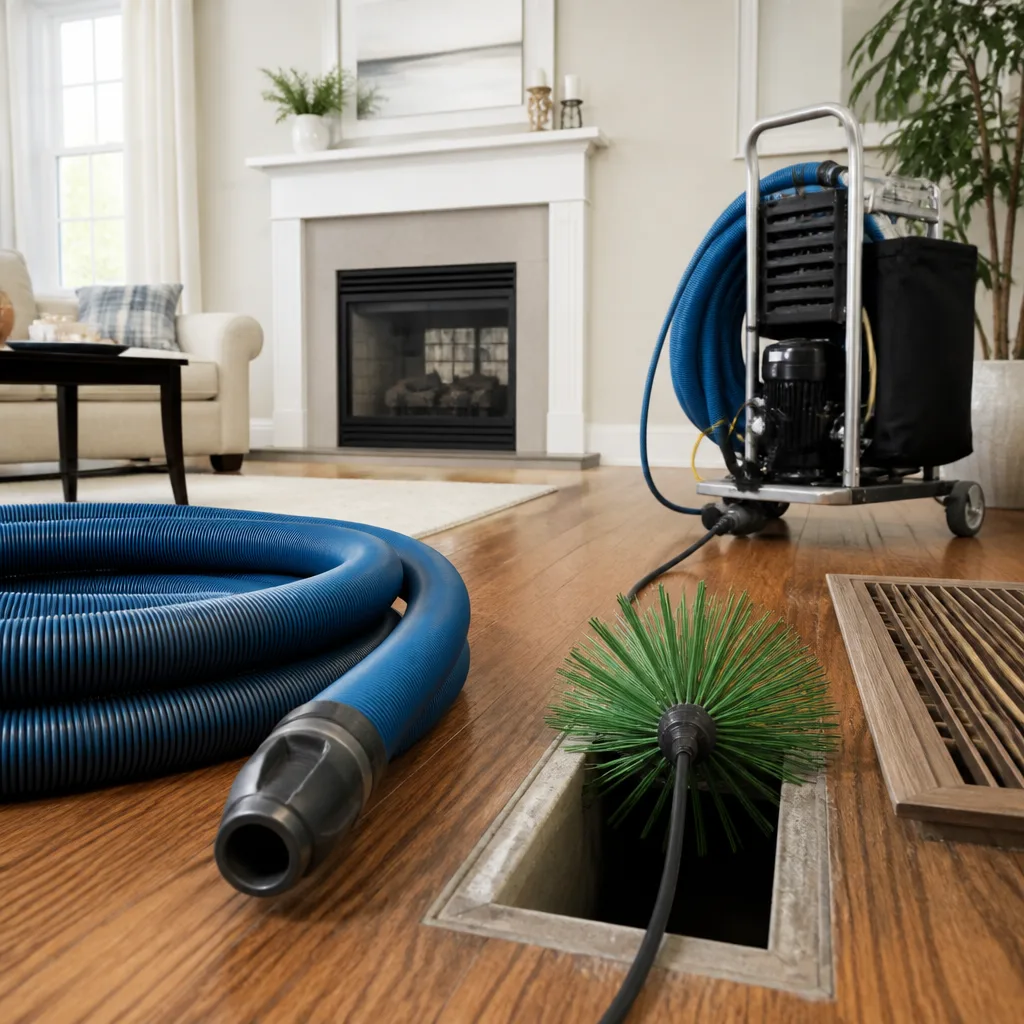 Whole-home duct cleaning
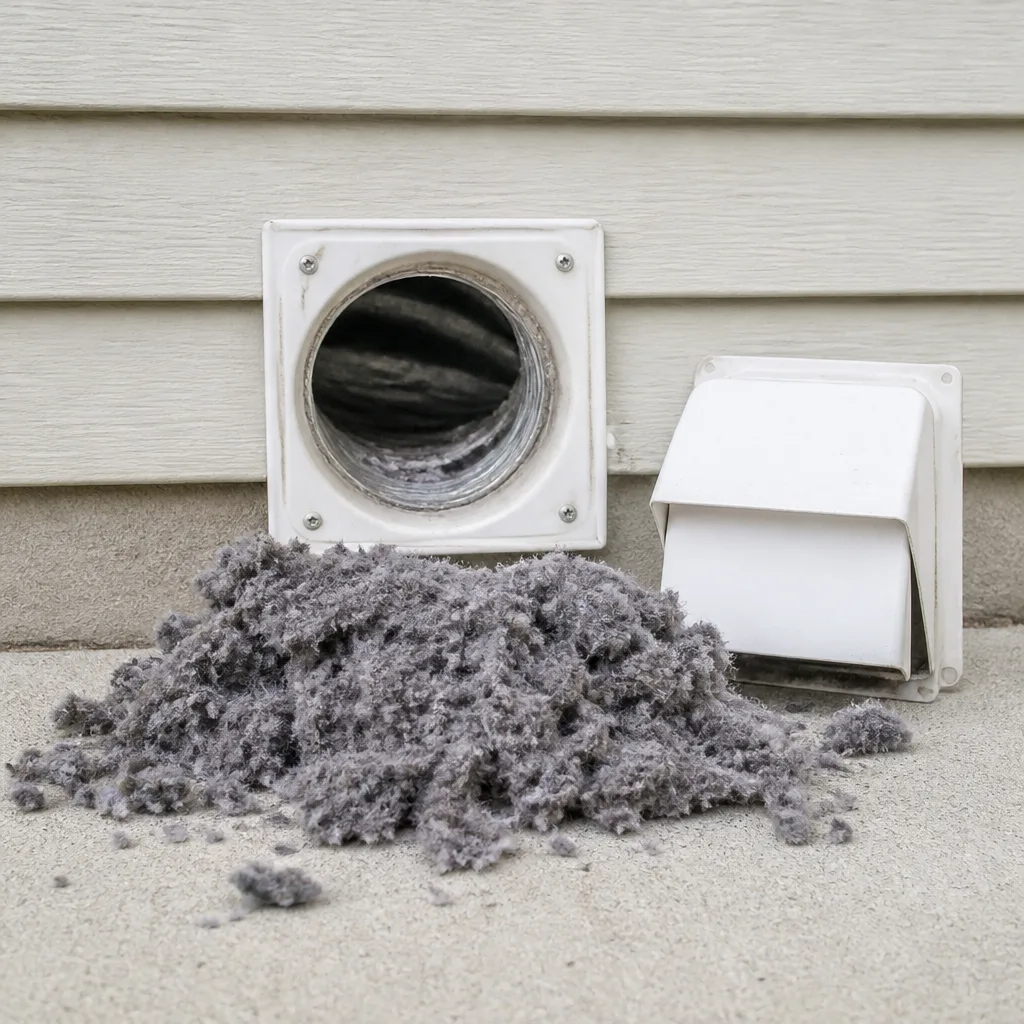 Dryer vent cleaning
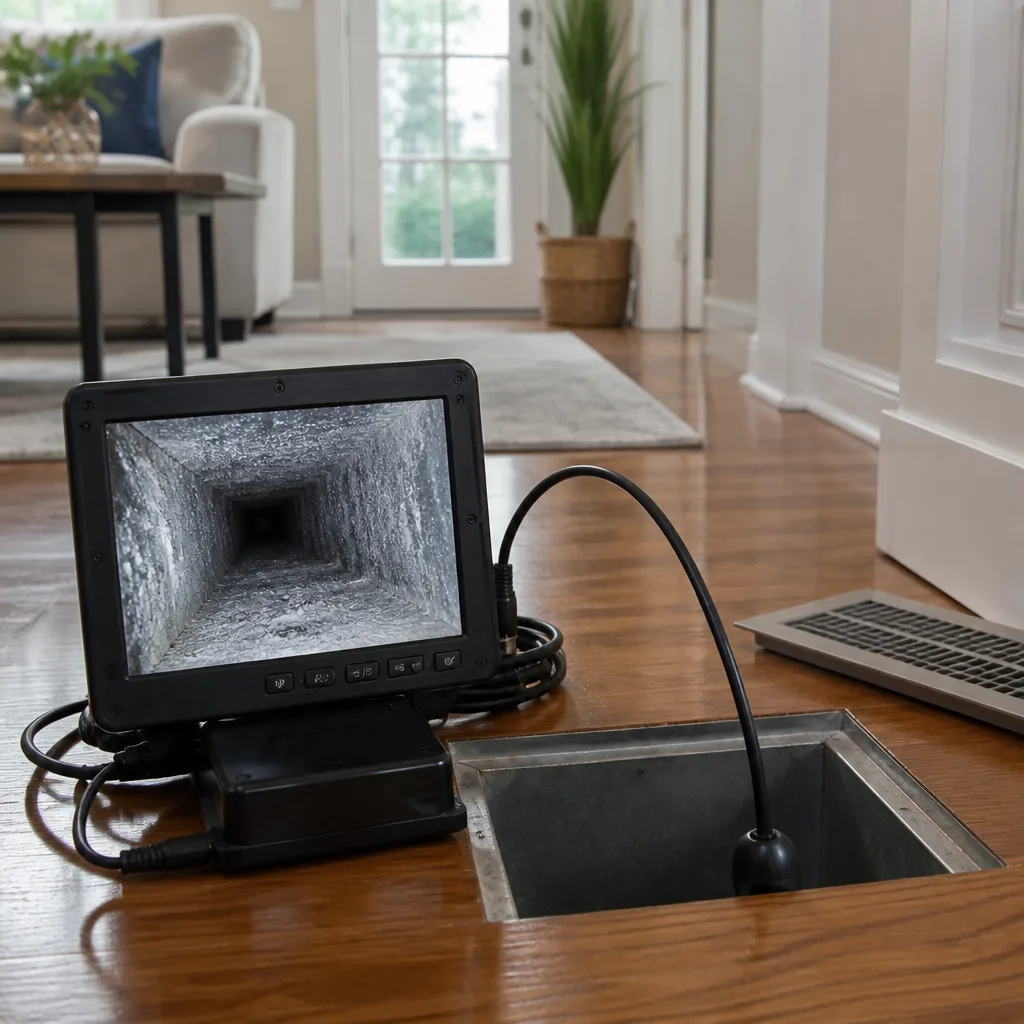 Camera inspection
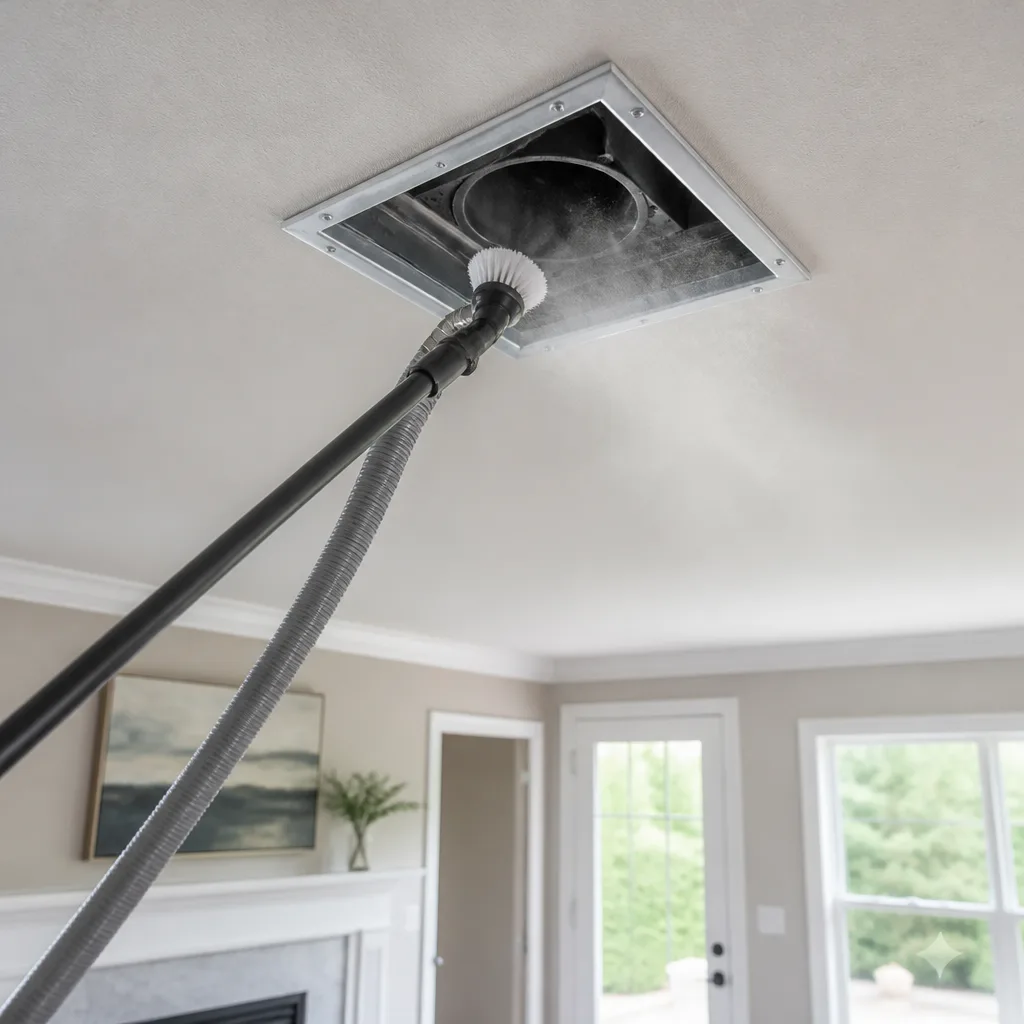 Sanitizing & deodorizing
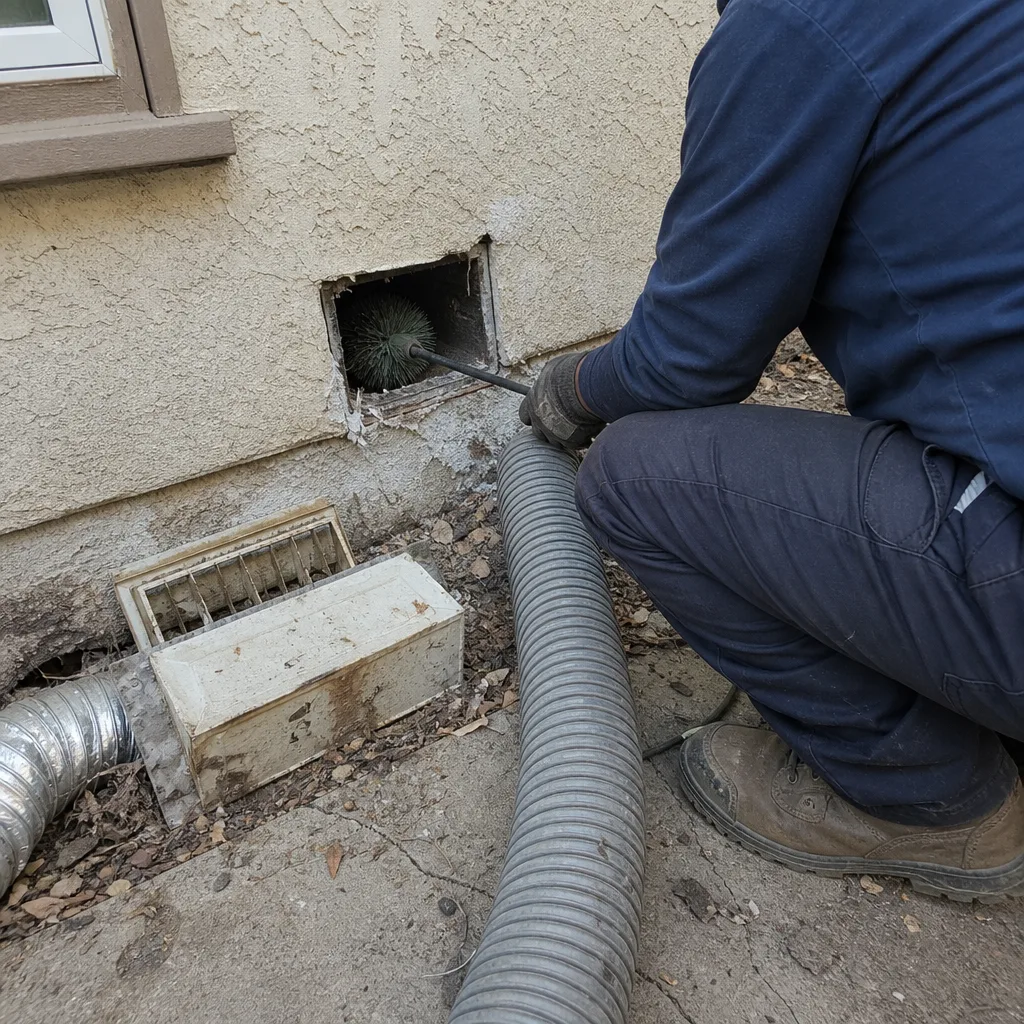
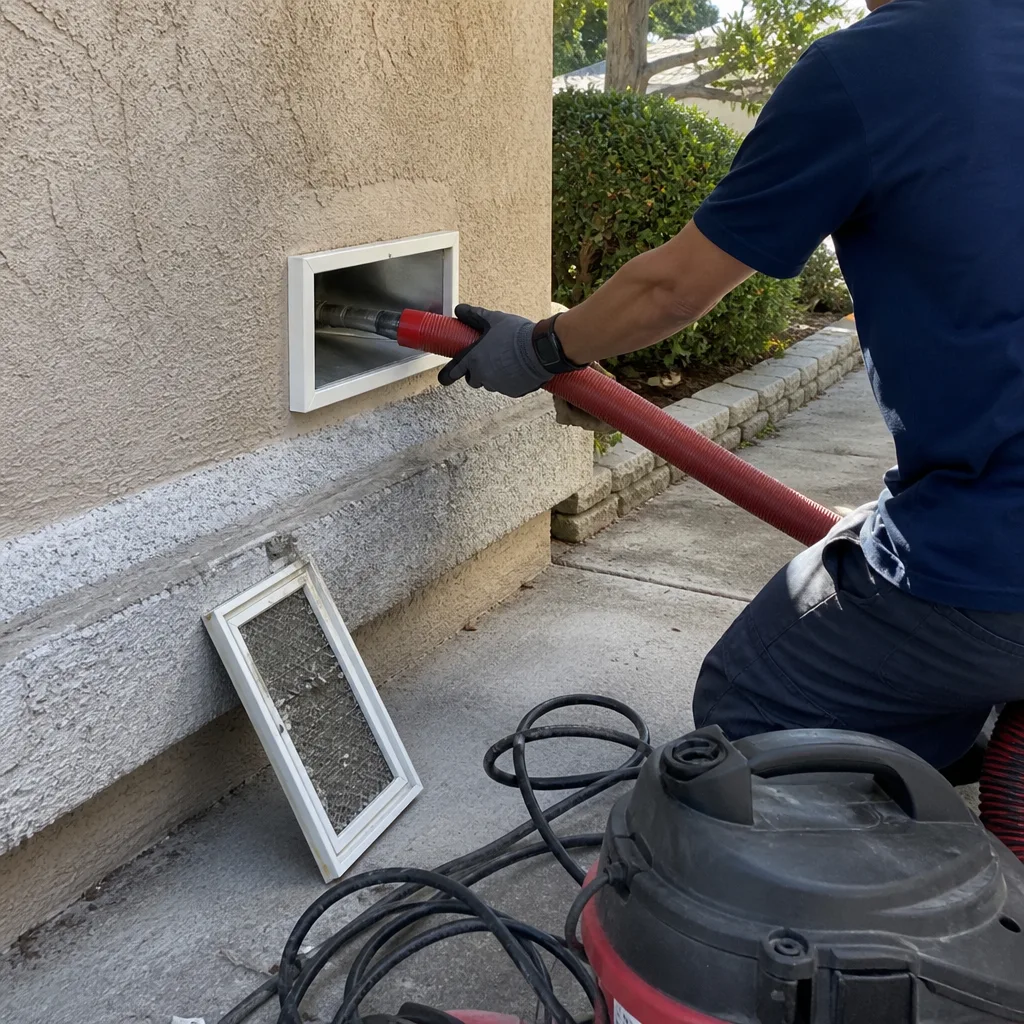
Whole-system duct and dryer vent check with before-and-after photos - you see exactly what came out of your vents
That "$99 whole-house special" is a bait ad - the real number appears once they are in your hallway, or the "clean" is a shop-vac at the register. We photograph the inside of your ducts before and after instead.
Air Duct Cleaning Cost Breakdown: The Glendora Homeowner’s Reference for 2026
Here’s a number that should stop you cold: two quotes for the same Glendora house can land at $99 and $1,200, and both providers will swear they’re doing “full duct cleaning.” The difference isn’t markup. It’s that they’re pricing two entirely different jobs. One covers a technician running a portable vacuum through visible registers. The other covers mechanical agitation of your entire trunk-line system with sealed HEPA capture and video verification. This guide breaks down exactly what each dollar pays for in the Glendora market, using 2026 pricing data and the equipment specifications that separate a surface pass from source-removal cleaning. By the end, you’ll know how to compare quotes line by line instead of number to number.
Styles & brands we work with
- Whole-home duct cleaning
- Dryer vent cleaning
- Camera inspection
- Sanitizing & deodorizing
Quick Answer
Air duct cleaning in Glendora typically costs $350 to $650 for a standard 1,400 to 2,200 square foot home when performed as true source-removal cleaning with rotary brush agitation and HEPA negative-air capture in 2026. The $99 to $199 offers you’ll see advertised cover a partial job: 10 to 12 registers, portable vacuum only, no trunk-line access, no mechanical agitation, and no video inspection. Anything below $300 should prompt you to ask what’s being removed from the scope to hit that number.
Table of Contents
- The Real Cost Components of a Properly Scoped Job
- Per-Register vs. Flat-Rate vs. Square-Footage: Three Pricing Models Compared
- 2026 Benchmark Pricing for Glendora: What Each Range Should Include
- Why Equipment Specs Matter More Than the Quote Number
- The Upsell Pressure Points: Separating Necessary Add-Ons from Invoice Padding
- How to Compare Two Quotes at the Same Price
- What Glendora’s Housing Stock and Climate Mean for Your Duct System
- Dryer Vent Cleaning as an Add-On: What It Costs and Why It’s a Separate Service
The Real Cost Components of a Properly Scoped Job
A $99 duct cleaning quote in the San Gabriel Valley typically covers 10 to 12 registers with a portable vacuum. The math works out to roughly $8 per register, which doesn’t cover the labor time for a technician to seal each register, agitate duct interiors, and establish measurable negative pressure across the system. Something in the scope has been removed to hit that price. Here’s what you’re actually paying for in a legitimate source-removal job, itemized the way a technician would think about it:
Equipment Transport and Setup: $75 to $125 of the Quote
This is invisible on an invoice but real on the technician’s clock. A proper job requires a commercial negative-air machine capable of moving 2,000 to 5,000 CFM (cubic feet per minute), a rotary brush system with feed cables, HEPA filters, drop cloths, and access-cutting tools. That’s a van load of equipment weighing several hundred pounds. Setup alone, including sealing the supply and return plenums and establishing negative pressure across the system, takes 45 to 90 minutes in a typical Glendora ranch or two-story. The $99 provider isn’t doing any of this. They’re unrolling a hose from a portable unit and moving register to register, which takes a fraction of the time and captures a fraction of the debris.
Technician Labor Per Register: $12 to $18 Each
Source-removal cleaning of a single register takes 15 to 25 minutes when done properly. The technician must seal the surrounding area, run a rotary brush through the branch line to the trunk, move to the next register, and repeat. A typical 1,400 to 2,200 square foot Glendora home has 14 to 22 registers across supply and return sides. At our Air Duct Cleaning in Glendora standard, that’s 3.5 to 5 hours of labor for a single technician, often with a second technician running the vacuum. The $8-per-register math of the $99 deal implies each register takes about five minutes. That’s enough time to wave a brush down the first foot of a branch line. It’s not enough time to agitate anything.
Trunk-Line Access and Agitation: $100 to $200
The trunk line is the main duct highway running the length of your home. Most Glendora homes built from the 1960s through the 1990s have sheet-metal trunk lines in the attic or crawlspace with fiberglass or flex branch lines. Accessing the trunk requires cutting or opening existing access panels, inserting the rotary brush feed cable, and mechanically agitating the full length. This is the single most important step in source-removal cleaning, and it’s the first thing cut from discount pricing. A portable vacuum can only pull what’s near the register opening. The trunk line holds the bulk of accumulated dust, especially in homes near the foothills where fine particulate settles continuously.
HEPA Filtration and Negative Air: $50 to $100 of Consumables and Equipment Wear
A proper negative-air machine uses HEPA filters that capture 99.97% of particles down to 0.3 microns. These filters cost $80 to $150 to replace and last for a limited number of jobs. The machine itself is a $5,000 to $15,000 investment. Equipment amortization is a real cost that discount providers avoid by using portable vacuums with basic cloth filters, which capture larger debris but recirculate fine particles back into your living space. If the quote doesn’t mention HEPA or negative air, ask why.
Post-Job Verification: Included in Legitimate Quotes, Absent in Cheap Ones
Video inspection before and after costs nothing per job beyond the camera equipment, but it takes 20 to 30 minutes of labor and demonstrates whether the cleaning actually removed the debris. This is the part of the job where we show you what we found, and it’s the single strongest protection against paying for work that wasn’t done. A provider who won’t show you before-and-after footage of your own ducts is telling you something about their confidence in their own process.
Per-Register vs. Flat-Rate vs. Square-Footage: Three Pricing Models Compared
Glendora providers quote duct cleaning three ways. Understanding which model you’re being quoted tells you as much as the number itself.
Per-Register Pricing: Transparent but Open to Padding
Some companies charge $25 to $45 per register, with a minimum of 8 to 10 registers. This model is transparent because you can count your own registers and verify the math. It also creates an incentive for the provider to inflate the register count by including bathroom exhausts, kitchen hoods, and even wall vents that aren’t part of the HVAC system. Before agreeing to a per-register quote, walk your house and count supply and return registers. Clarify whether the quote includes the trunk line or only branch lines from the register to the trunk. A per-register price that excludes trunk-line work is not a full cleaning, no matter how reasonable the number looks.
Flat-Rate Whole-System Pricing: The Most Honest Model
Flat-rate pricing for the full duct system, typically $350 to $650 in Glendora for a standard home, is the most transparent option. You know the total before work starts, and the provider carries the risk of discovering a larger or more complex system than expected. This model is common among companies that use commercial-grade equipment because the equipment cost is fixed regardless of register count. When we quote a Glendora home, we quote the full duct system: trunk line, branch lines, supply and return plenums, and all registers. One flat price per system agreed before work starts. No per-vent calculation games.
Square-Footage Pricing: Common but Blunt
Some providers price at $0.15 to $0.30 per square foot of living space. For a 1,800 square foot Glendora home, that’s $270 to $540. The problem with this model is that square footage correlates imperfectly with duct complexity. A 1,500 square foot mid-century ranch with a single trunk line is much simpler to clean than a 1,500 square foot two-story with a split system, two trunk lines, and a second return. Square-footage pricing can work as a rough anchor, but always ask for the register count and trunk-line access to be specified in writing.
2026 Benchmark Pricing for Glendora: What Each Range Should Include
These are the price ranges we’re seeing in the Glendora market in 2026, based on quotes we’ve reviewed and jobs we’ve bid against. Use them as a benchmark, not a guarantee.
Basic Surface Cleaning: $99 to $199
This price covers a technician with a portable vacuum moving through 10 to 12 visible registers. No trunk-line access. No mechanical agitation. No HEPA capture. No video inspection. The technician may be in your home for 60 to 90 minutes. This service removes loose dust near register openings and has minimal effect on the accumulated debris in your trunk line. In our experience, homeowners who book this service and later inspect their trunk lines often find the cleaning made little measurable difference.
Standard Source-Removal Cleaning: $350 to $650
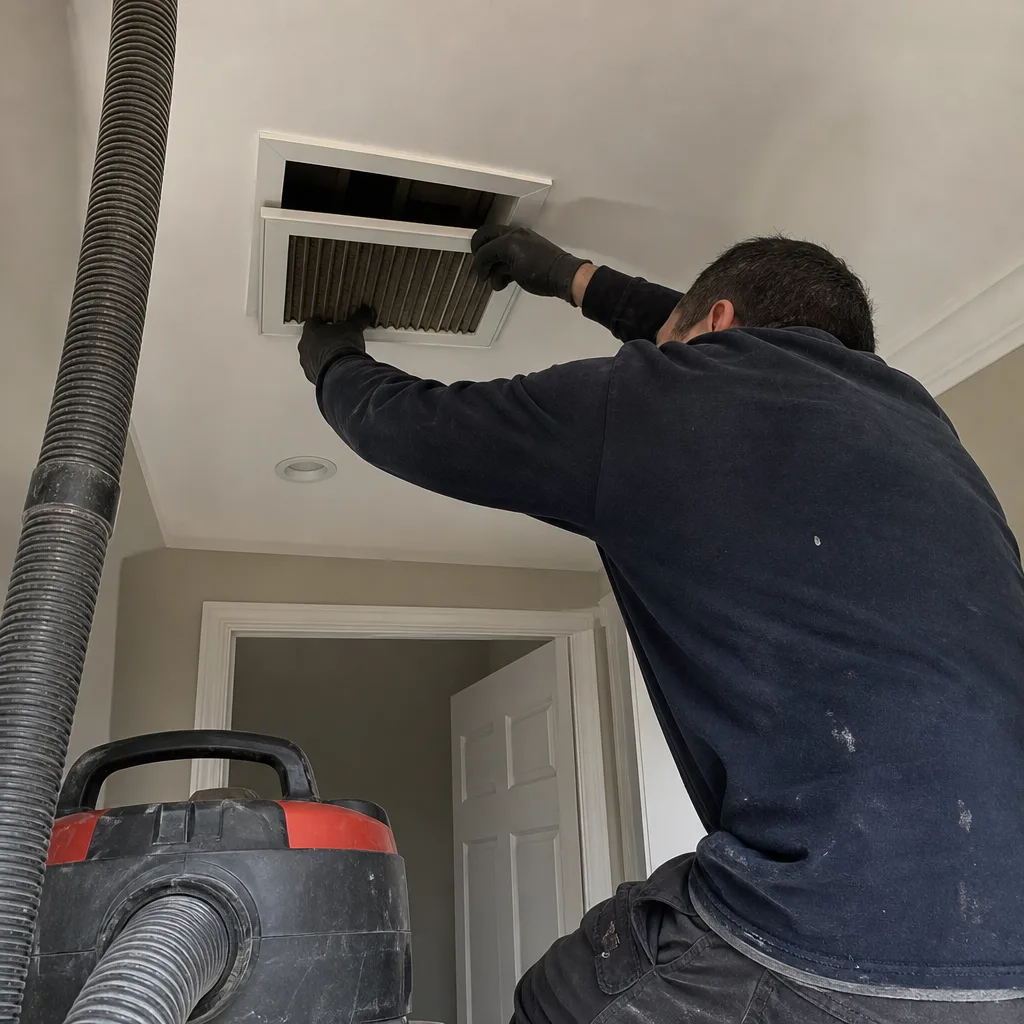
This is the range for a properly scoped job on a typical 1,400 to 2,200 square foot Glendora home. It should include rotary brush agitation of all branch lines and the full trunk line, HEPA negative-air capture with a machine rated at 2,000 CFM or higher, access panel cutting and resealing if needed, and before-and-after video inspection. Labor runs 3.5 to 6 hours. This is the price range where the job is actually being done rather than gestured at. Expect the low end for simple single-trunk ranches and the high end for two-story split systems or homes with flex duct that requires gentler agitation.
Full-System Cleaning with Dryer Vent Add-On: $500 to $800
Adding Dryer Vent Cleaning in Glendora to a standard air duct job typically adds $100 to $175 when bundled. The dryer vent is a separate system from your HVAC ducts and requires different tools: a rotary brush sized for 4-inch vent lines, a high-CFM vacuum, and often access from the roof or exterior wall. Glendora’s housing stock includes many homes with long, multi-bend dryer vent runs from interior laundry rooms through attics to the roof. These runs accumulate lint and are a leading household fire cause. Bundling the services saves on truck roll and setup time, which is why the add-on price is lower than a standalone dryer vent cleaning.
Post-Wildfire Remediation Cleaning: $600 to $1,200
Glendora sits directly against the San Gabriel foothills, and the Bobcat Fire and Eaton Fire seasons have left many homes in the area with elevated particulate loads in their duct systems. Post-wildfire cleaning is a different job than routine cleaning. It requires HEPA capture at higher CFM to handle fine ash, more pass time per register, and in some cases duct replacement if flex duct has absorbed smoke odor. Prices run 50% to 100% above standard cleaning because the contamination density is higher and the equipment filtration load is heavier. If you’re scheduling cleaning after a fire event, tell the provider. The job requires different settings and more filter changes.
Why Equipment Specs Matter More Than the Quote Number
Two companies can quote the same $450 price for Glendora duct cleaning, and one is doing twice the work. Ask about the equipment. Here’s what the specifications tell you:
Machine CFM Rating
CFM (cubic feet per minute) measures how much air the vacuum system moves. A portable shop-style vacuum moves 150 to 300 CFM. A commercial negative-air machine moves 2,000 to 5,000 CFM. The difference is whether the system can establish negative pressure across your entire duct network, which pulls debris toward the machine from all branches simultaneously rather than just sucking at the end of the register. Our Nikro HEPA negative-air vacuums are rated for commercial airflow, and the difference in debris extraction between a 200 CFM portable and a 3,000 CFM negative-air machine in a Glendora home with a long trunk run is dramatic.
Brush Type and Agitation Method
Mechanical agitation is what separates source removal from surface suction. The Rotobrush rotary brush system uses a spinning brush head on a feed cable to physically dislodge debris adhered to duct walls. A vacuum-only approach leaves behind the film of dust that has bonded to the metal over years of airflow. We run Rotobrush rotary brush systems in combination with Nikro HEPA negative-air vacuums because the two machines do different jobs: the brush breaks the debris loose, the negative air captures it before it can escape into your home.
Filtration Standard
HEPA filters capture 99.97% of particles at 0.3 microns. Non-HEPA filters let fine particles through. This matters in Glendora because the foothill air carries fine particulate that settles in ducts and then recirculates through your HVAC system every time it runs. A vacuum with a standard cloth filter is effectively a dust redistribution device. Ask any provider who quotes you a number: does the machine use HEPA filtration? If the answer is vague, the machine doesn’t.
The Upsell Pressure Points: Separating Necessary Add-Ons from Invoice Padding
The duct cleaning industry has a reputation for bait-and-switch pricing, and the pressure points are predictable. Knowing them before the technician arrives prevents an awkward conversation on your doorstep. Here are the add-ons you’ll likely be offered and when they’re actually warranted.
Antimicrobial Fogging or Sanitizer Misting: Usually Not Warranted
The pitch: for an additional $150 to $300, the technician mists the inside of your ducts with an antimicrobial solution. The implied benefit is killing mold and bacteria. The reality: if your ducts are actually mold-contaminated, fogging doesn’t solve the problem. Mold in ductwork usually means condensation or moisture intrusion, and the fix is addressing the moisture source and replacing contaminated duct material, not misting it. Antimicrobial fogging is warranted only when there is a confirmed microbial issue and the provider can identify the moisture source. If the offer is made preemptively on a standard cleaning, decline it.
Duct Coating or Sealant: Sometimes Warranted, Often Oversold
Coating the inside of ducts with a sealant product runs $250 to $600 depending on system size. It’s legitimately useful for sealing small leaks in older sheet-metal ducts, which can improve HVAC efficiency in Glendora homes with 40-year-old systems. It’s not useful as a “protective layer” after cleaning on systems that don’t have measurable leakage. If a provider recommends coating, ask to see the leakage evidence: a smoke test, a pressure test, or video footage showing gaps at seams. No evidence, no coating.
Sanitizing the HVAC Coil: Context-Dependent
Your evaporator coil sits in the air handler and can accumulate dust that reduces efficiency. Cleaning it typically runs $100 to $200. It’s a legitimate service if the coil is visibly dirty, which the technician should be able to show you in photos. It’s less relevant in a duct cleaning context unless the coil has been neglected for a long period. Ask to see the coil before agreeing.
The Right Way to Think About Add-Ons
Any add-on should be tied to evidence: video footage, pressure readings, or a measurable problem. If the pitch is “this is a good idea for every home,” it isn’t. A legitimate provider will show you what they’re seeing before recommending anything. A provider who recommends add-ons without evidence is padding the invoice. That’s the bait-and-switch pattern this industry is infamous for, and it’s the main reason Glendora homeowners are skeptical of low advertised prices. The low number is the hook; the add-ons are the catch.
How to Compare Two Quotes at the Same Price
You’ve got two quotes, both at $450 for a 1,800 square foot Glendora home. Same price, potentially very different jobs. Here’s the exact comparison framework we recommend, and the questions that reveal the difference:
- Ask for the register count in writing. If one provider specifies 16 registers and the other says “all visible registers,” the second quote is fuzzy by design. Count your own registers before calling and verify the number matches.
- Ask what CFM the vacuum machine moves. Under 500 CFM is a portable setup. Over 2,000 CFM is a commercial negative-air machine. This single specification tells you more about the job quality than any marketing language.
- Ask whether trunk-line access is included. This is the most commonly cut corner. If the answer is vague (“we clean the whole system”), ask specifically: “Do you open access panels and run a brush through the main trunk line, or do you work only from the register openings?”
- Ask whether video post-inspection is included. A provider with nothing to hide will show you the results. If video inspection is an add-on or not offered, that’s an answer in itself.
- Ask about the brush type. Rotary brush with mechanical agitation, or vacuum-only “air sweep”? A vacuum-only pass at $450 is a $150 job with a better truck wrap.
- Ask whether the price is guaranteed before work starts. If the provider says the price could change after they “see what’s in the ducts,” that’s a pre-bait for the upsell conversation. A properly scoped quote should hold. Our standard is one flat price per system agreed before work starts. Your quote should be the same.
One more thing worth understanding: in the San Gabriel Valley, the low-price duct cleaning ads you’ll see on community Facebook groups and in coupon mailers are almost all working the same model. Advertise low, upsell hard in the home, and cut the scope anywhere the customer won’t notice. Glendora’s housing stock, with its mix of mid-century ranches and newer two-story builds, is a predictable target for this because the systems are old enough to be dirty but standardized enough for a provider to know exactly what they’re working with before arriving. A reputable provider quotes the real job at the real price and lets the equipment and the before-and-after footage do the talking.
What Glendora’s Housing Stock and Climate Mean for Your Duct System
Glendora’s position at the base of the San Gabriel Mountains shapes its duct systems in ways that directly affect cleaning cost and frequency. The specifics matter when you’re planning a cleaning and understanding what you’re paying for.
Age of Housing Stock and Duct Material
The majority of Glendora’s single-family homes were built between 1955 and 1995. Homes from this era used galvanized sheet-metal trunk lines, often wrapped in fiberglass insulation, with rigid branch lines or early flex duct. Sheet metal accumulates dust over decades and holds it against the walls, which is exactly the condition that mechanical rotary agitation is designed to address. The older the home, the more likely the trunk line has never been accessed. If you’re in a 1960s ranch near Foothill Boulevard or a 1980s subdivision north of Route 66, your system has likely been accumulating debris for thirty to sixty years. That’s not a reason to panic; it’s a reason to expect a real cleaning rather than a surface pass.
Foothill Air Particulate and Fire Season
Glendora’s elevation and proximity to the Angeles National Forest mean two things for your ducts: continuous infiltration of fine particulate from the foothill environment, and periodic heavy contamination during wildfire seasons. The fine dust that settles in the mountains doesn’t stay there; it drifts down into the valley and finds its way through your HVAC filter into the duct system. HEPA filtration during cleaning matters more here than in coastal communities because the particulate is finer and more deeply embedded. When the Eaton Fire or Bobcat Fire smoke settled over Glendora, homes with running HVAC systems pulled that particulate directly into their ducts. A standard cleaning after wildfire smoke exposure requires more filter changes and more pass time, which legitimately increases the price.
Dryer Vent Runs in Glendora Homes
Many Glendora homes, particularly two-story builds from the 1980s and 1990s, have interior laundry rooms with dryer vents running through walls, attics, and roofs. A 15 to 25 foot vent run with two or three 90-degree elbows is standard. Every elbow is a lint trap, and every foot of run slows airflow. The National Fire Protection Association identifies dryer vent failure as one of the leading causes of residential fires, and long, multi-bend runs in Glendora homes accumulate lint faster than short exterior-wall vents. This is why Dryer Vent Cleaning in Glendora is a dedicated service for us, not an afterthought. The same commercial equipment used on air ducts, sized down to 4-inch vent lines, is what clears these runs properly.
Dryer Vent Cleaning as an Add-On: What It Costs and Why It’s a Separate Service
Your dryer vent is not part of your HVAC duct system. It’s a separate run of 4-inch pipe moving hot, lint-laden air from your dryer to the exterior. It requires different tools, different diameters, and a different cleaning approach. When you’re getting air duct cleaning quotes, asking about the dryer vent add-on is worth doing because bundling saves money and because your dryer vent is statistically more dangerous than your air ducts.
What the Add-On Should Include
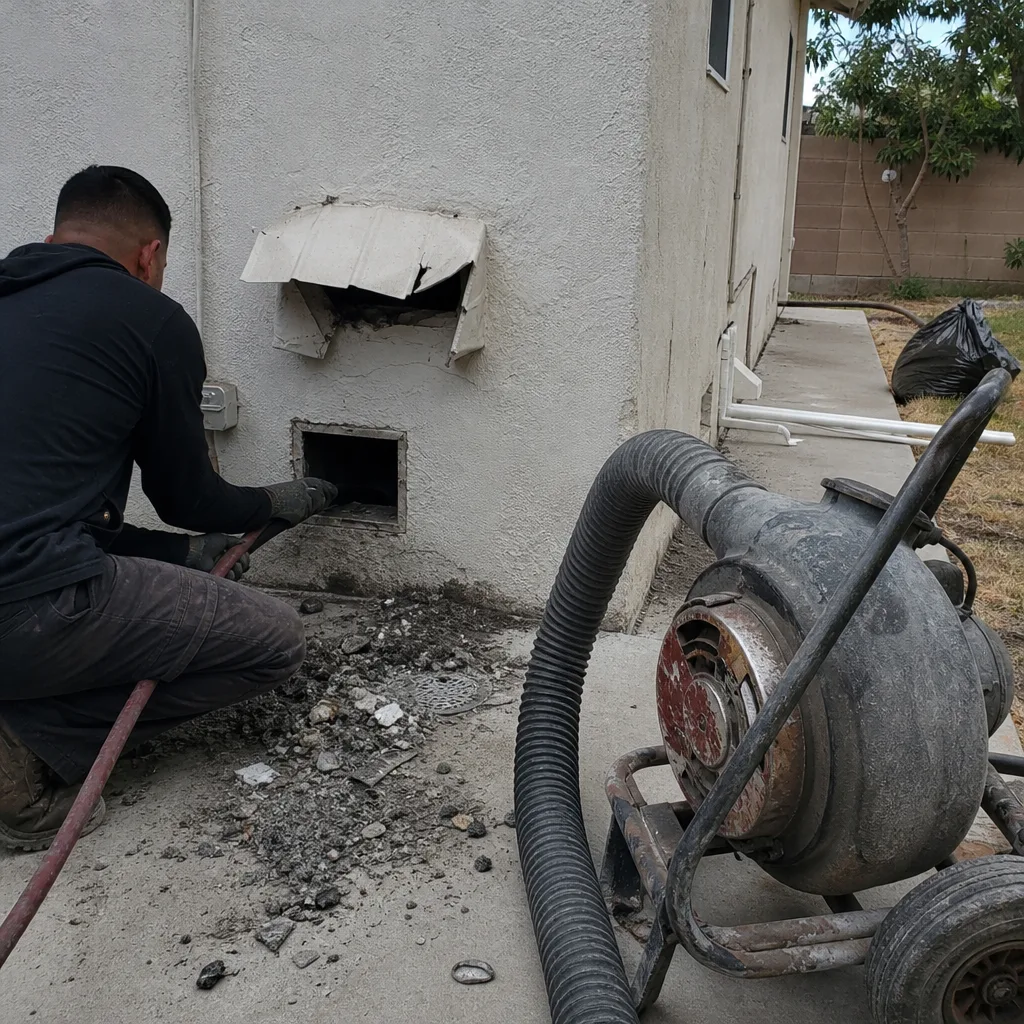
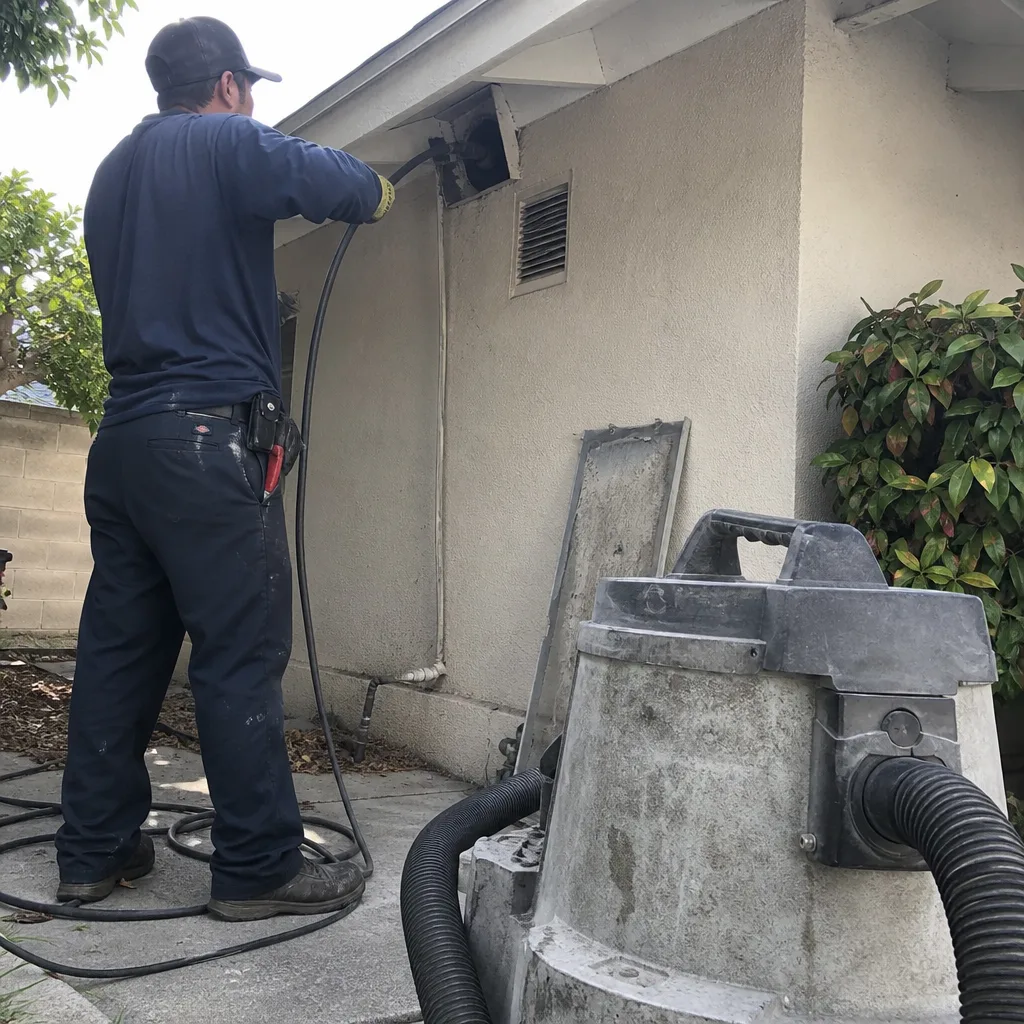
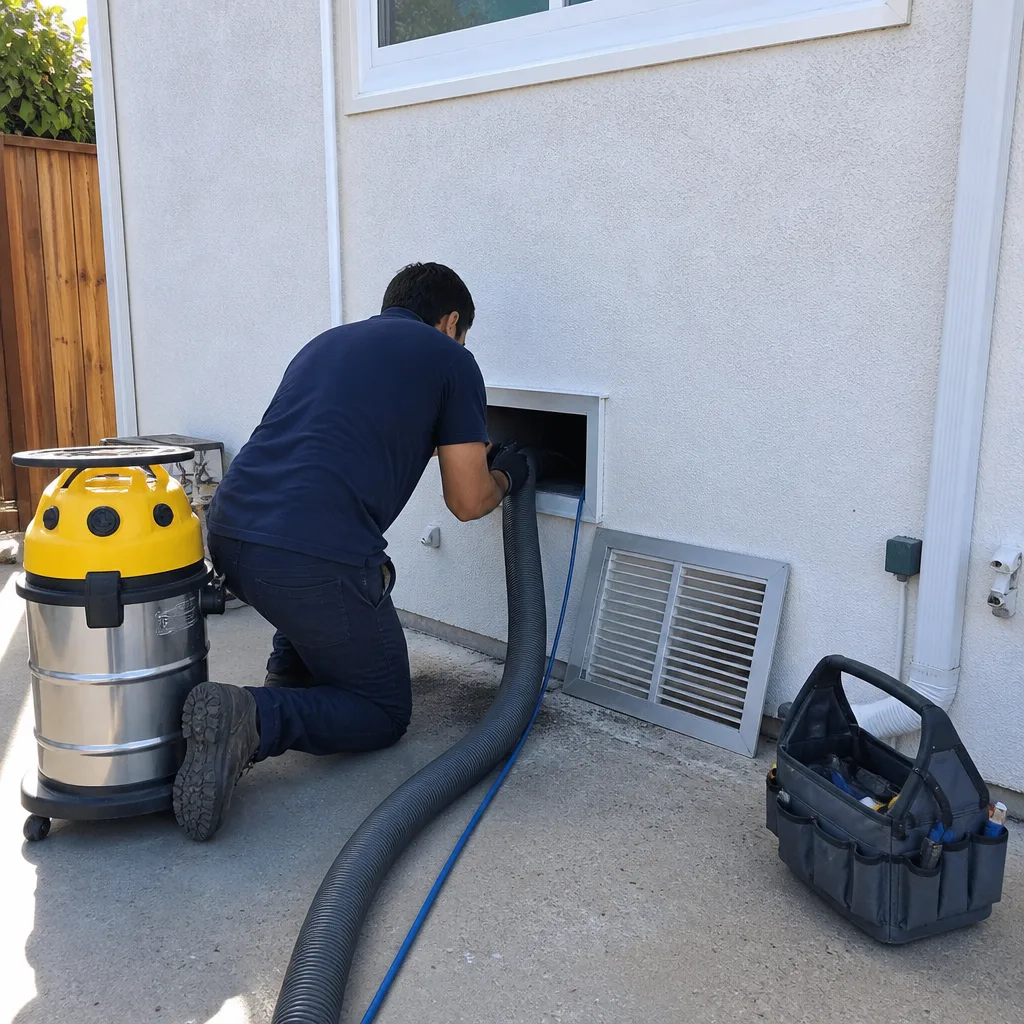
A proper dryer vent cleaning runs a rotary brush sized for 4-inch vent pipes through the full length of the run, from the dryer connection point to the exterior termination. The brush dislodges lint that has adhered to the pipe walls, and a high-CFM vacuum captures it at the source point. The technician should be able to show you the lint extracted and confirm airflow at the exterior vent. In Glendora homes with roof terminations, roof access is required, which affects the price. In homes with exterior wall vents, the job is simpler. Expect to pay $100 to $175 bundled with air duct cleaning, or $150 to $250 as a standalone service.
The Fire Risk Context
Lint is highly combustible. When a dryer vent accumulates enough lint to restrict airflow, the dryer runs hotter, the lint traps more heat, and the conditions for ignition develop. This isn’t a theoretical risk; the NFPA attributes thousands of residential fires annually to dryer vent failure. In a foothill community like Glendora, where fire risk is already elevated by the surrounding environment, a clean dryer vent is basic fire prevention. We’ve pulled enough compacted lint from Glendora dryer vents to fill a kitchen trash bag from a single run, and the homeowner had no idea because the dryer was still “working fine.”
Common Mistakes to Avoid
- Choosing by price alone. A $99 quote is cheaper for a reason. It’s covering fewer registers, skipping the trunk line, and avoiding mechanical agitation. The cost comparison should be per variable, not per headline number.
- Not asking about trunk-line access. This is the single biggest scope deletion in cheap quotes. If the provider won’t confirm trunk-line access in writing, assume it’s not included.
- Accepting “all visible registers” as a scope definition. Count your own registers. Write the number into the quote. A register window that says “all we can reach” is a scope that can shrink on site.
- Automatically buying the antimicrobial fogging. If you don’t have confirmed microbial growth, you don’t need it. If you do have confirmed microbial growth, fogging won’t fix it. This add-on is profit padding in most standard cleanings.
- Skipping the video post-inspection. The only way to verify duct cleaning was actually done is to look inside afterward. A provider who can’t show you after video is telling you something.
- Assuming your dryer vent is part of the HVAC cleaning. It isn’t. It’s a separate system that requires separate work. Bundle it if you can, but don’t assume it’s covered.
- Believing a duct cleaning will fix a mold problem. Duct cleaning removes debris. It does not address moisture intrusion, which is the cause of mold. If you see mold in your ducts, you need a different conversation, potentially involving Air Duct Repair in Glendora to replace contaminated sections.
When to Call a Professional
There are specific signals that mean your ducts need attention. Visible dust blowing from registers when the HVAC kicks on. Uneven airflow between rooms in a Glendora summer when the system is working hard. A persistent dusty smell in the house no matter how much you vacuum. Family members with unexplained respiratory irritation that improves when they leave the house. Any of these signs warrant a professional assessment. We show you what we find before any work is approved, and the video inspection doesn’t lie. Our Duct Cleaning Glendora home service includes free estimates for Glendora homeowners, and a properly scoped quote holds its price from estimate to completion. Call (833) 620-4169 to schedule an assessment.
Frequently Asked Questions
Expect $350 to $650 for a proper source-removal cleaning of a standard 1,400 to 2,200 square foot home in 2026. The $99 to $199 prices cover surface-only cleaning without trunk-line access or HEPA capture. For an exact quote with your register count and system size, call (833) 620-4169.
Cheap quotes are cutting scope, not profit margin. The typical deletions are trunk-line access, mechanical agitation, HEPA filtration, and video inspection. The result is a visible-register surface pass that removes little from the system as a whole. A legitimate quote prices the full job including equipment amortization and thorough labor, and that’s why it costs more.
Ask for before-and-after video inspection of your trunk line and branch lines. A provider using commercial equipment can show you the debris before cleaning and the clean metal after. If video inspection isn’t available or costs extra, find a different provider.
For most Glendora homes, every 3 to 5 years is reasonable. Homes with pets, recent renovations, or wildfire-adjacent exposure should clean more frequently. The frequency depends on what your video inspection shows, not on an arbitrary schedule. Call (833) 620-4169 and we’ll assess your system before recommending any service interval.
Ask five questions: What CFM does your vacuum machine move? Is trunk-line access included? Do you use a rotary brush or vacuum-only cleaning? Is video inspection included? Does the quoted price hold regardless of what you find? The answers will separate source-removal providers from surface-cleaning operations.
No, dryer vent cleaning is a separate service with different tools sized for 4-inch vent lines. Many providers offer it as an add-on for $100 to $175 when bundled with air duct cleaning. Dryer Vent Cleaning in Glendora is a dedicated service we offer because the fire risk of neglected dryer vents is real, especially in foothill communities with long, multi-bend runs.
The Bottom Line
Air duct cleaning in Glendora costs whatever the scope actually covers, and the $99 to $1,200 spread exists because providers are pricing different jobs under the same name. The number that matters isn’t the headline price; it’s what the quote includes: trunk-line access, rotary brush agitation, HEPA negative-air capture, and video post-inspection. A properly scoped cleaning of a typical Glendora home runs $350 to $650 in 2026, with dryer vent add-ons at $100 to $175 and post-wildfire remediation running higher. Ask about the equipment, get the scope in writing, and insist on seeing before-and-after footage. That’s how you buy duct cleaning in Glendora and actually get what you paid for.
Written by the team at Duct Cleaning Glendora, serving Glendora since 2014.
See the difference
 Before
 After
 Before
 After
 Before
 After