
Last updated November 3, 2026
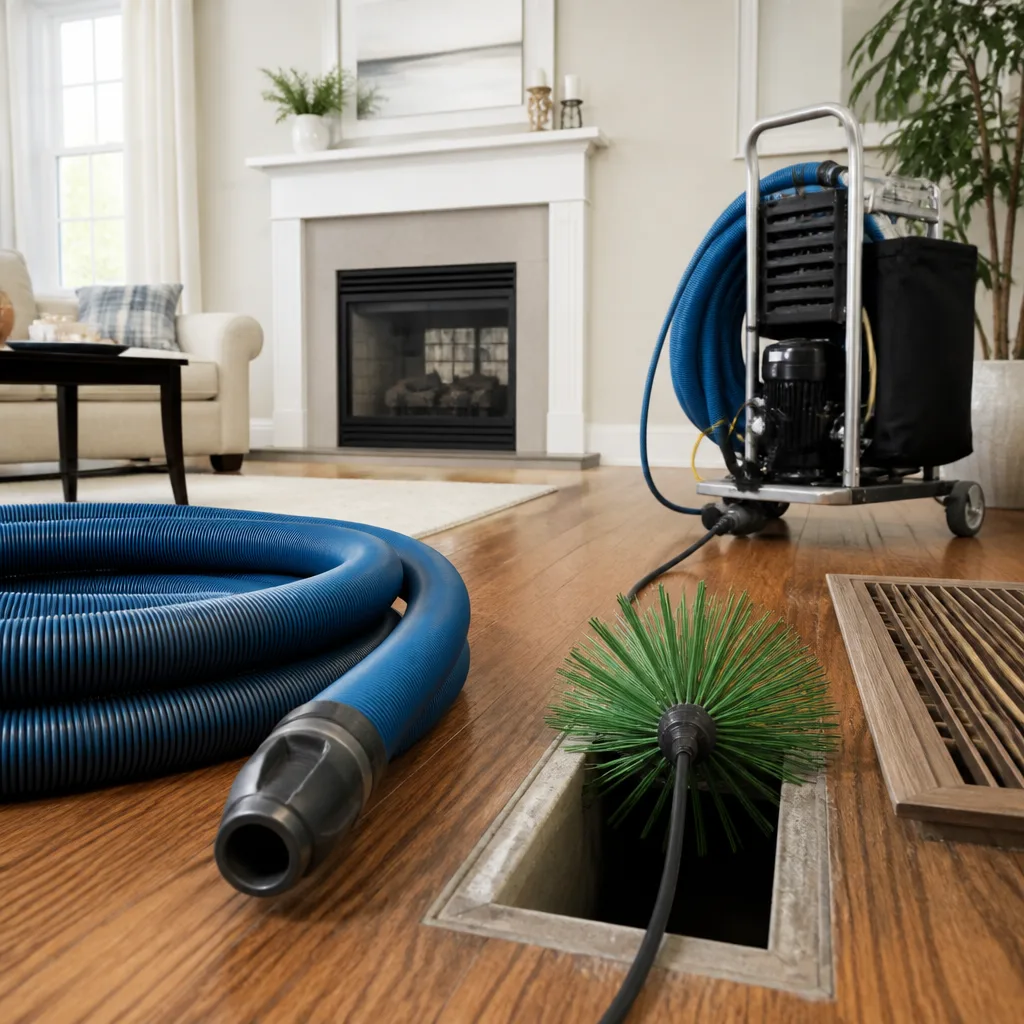 Whole-home duct cleaning
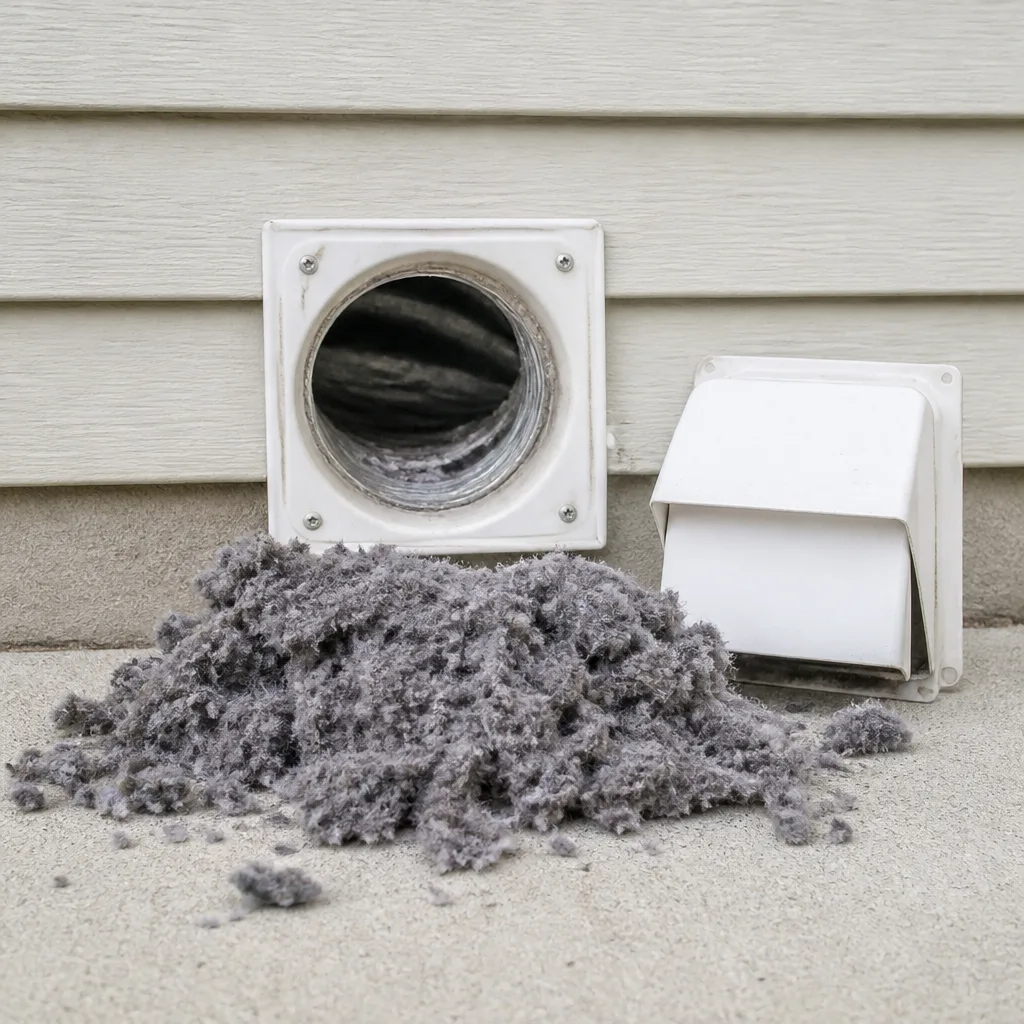 Dryer vent cleaning
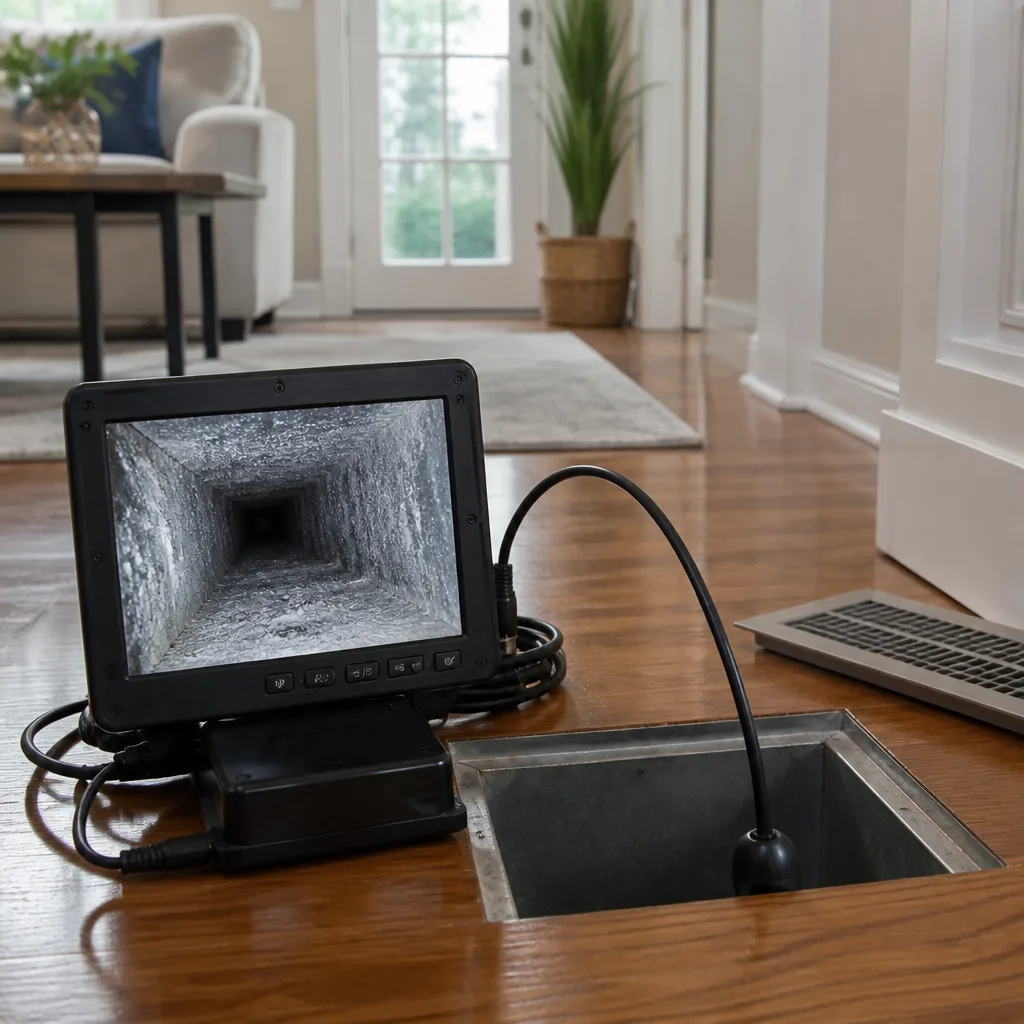 Camera inspection
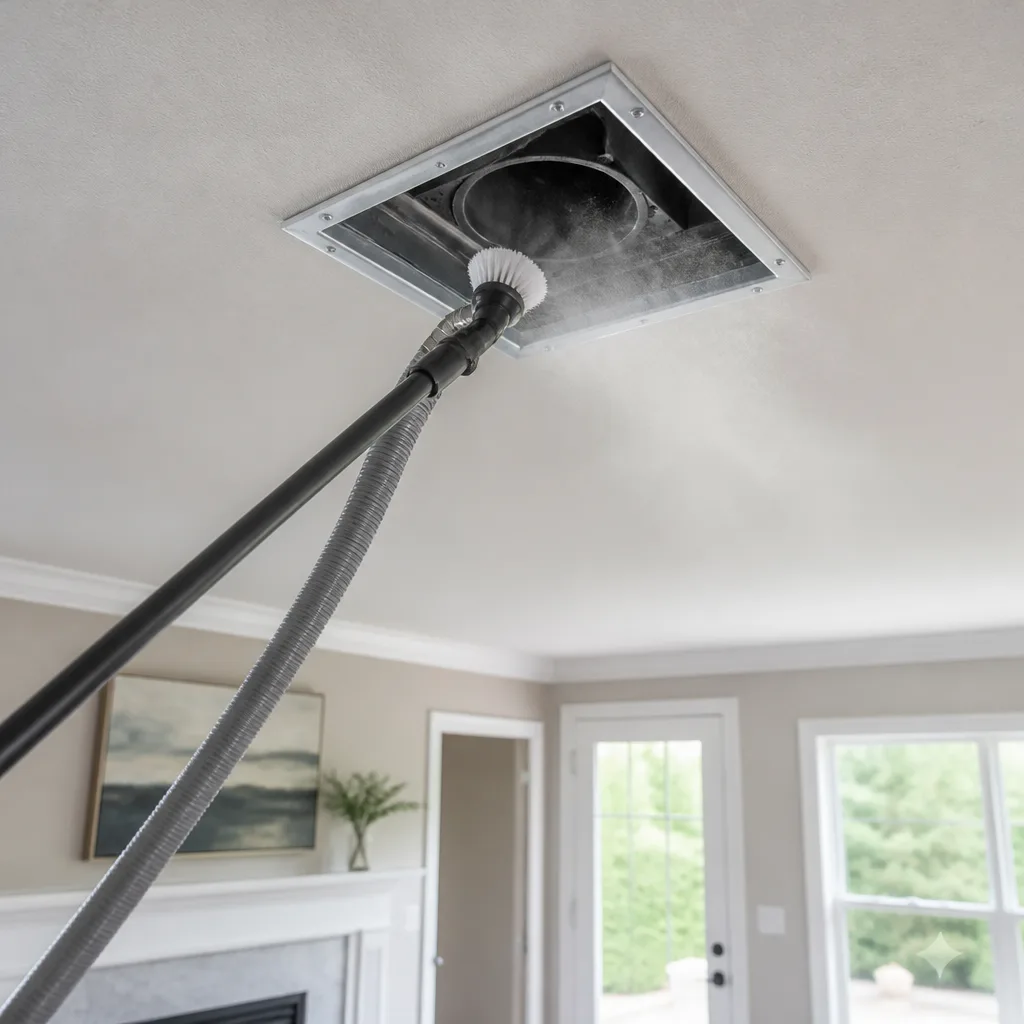 Sanitizing & deodorizing
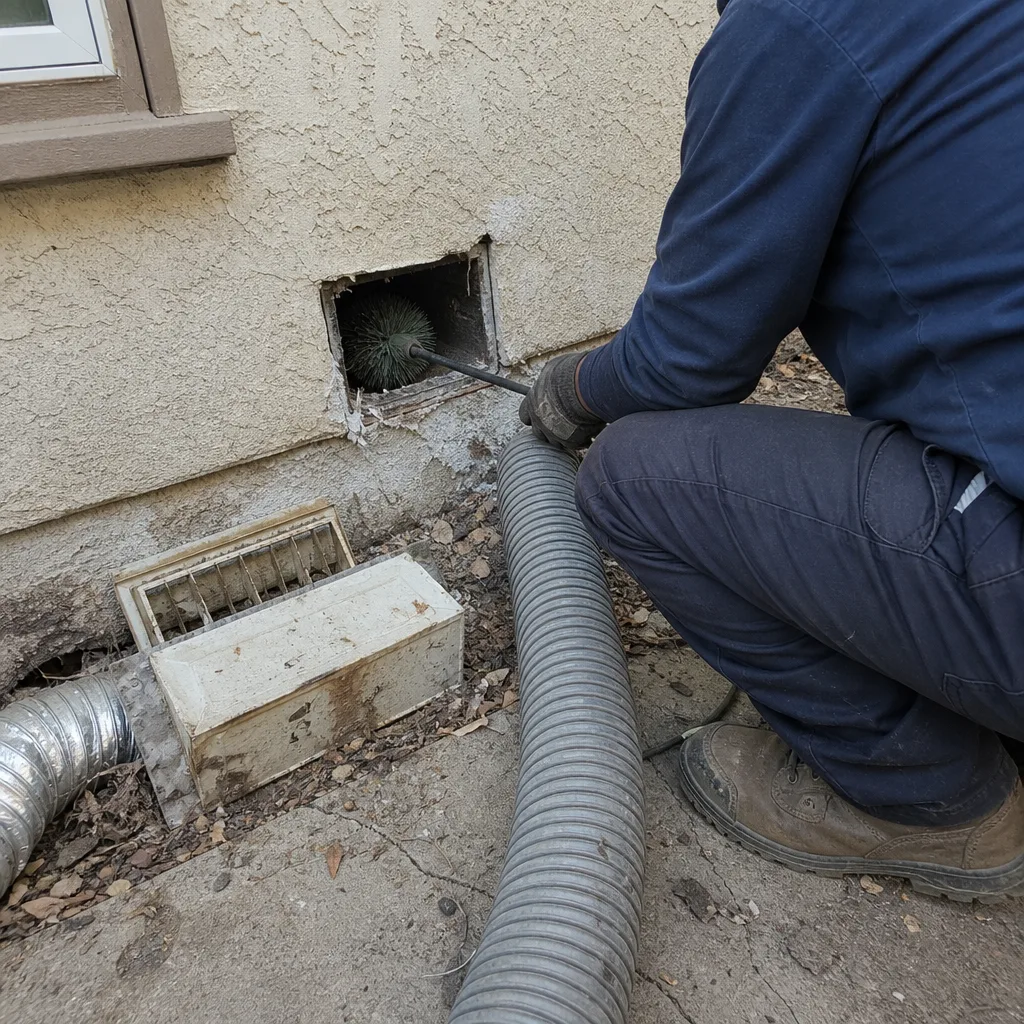
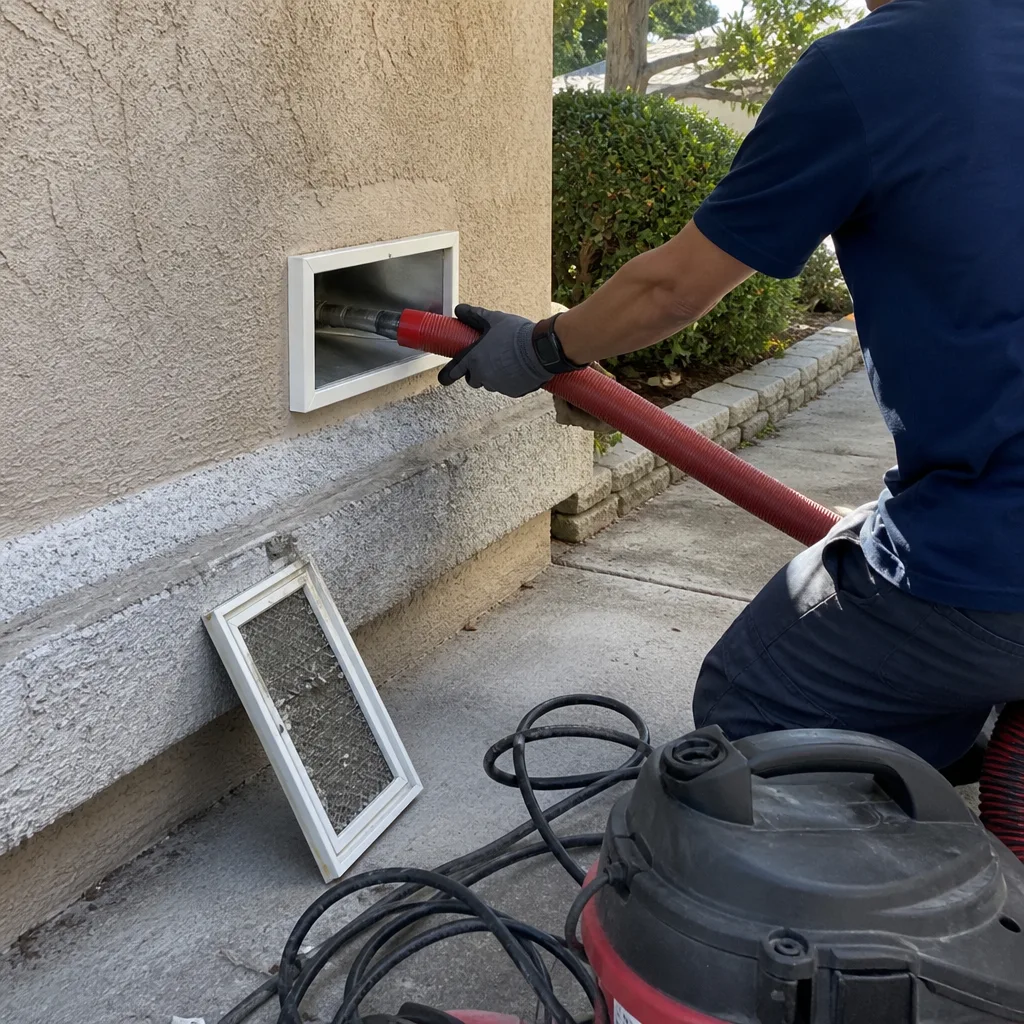
Whole-system duct and dryer vent check with before-and-after photos - you see exactly what came out of your vents
That "$99 whole-house special" is a bait ad - the real number appears once they are in your hallway, or the "clean" is a shop-vac at the register. We photograph the inside of your ducts before and after instead.
Choosing the Right Air Duct Cleaning Brand: A Buyer’s Guide for Glendora
Here’s what most Glendora homeowners don’t realize: the “brand” that matters in duct cleaning isn’t the name painted on the side of the van. It’s the name stamped on the equipment inside. A company can call itself Premium Air Solutions or Crystal Clean Air, and it tells you exactly nothing about whether they can actually remove the dust, debris, and allergens packed into your ductwork. The Rotobrush rotating brush in their truck, the Nikro HEPA vacuum pulling negative pressure, the Abatement Technologies air scrubber filtering the room air – those names tell you everything. This guide – along with our The Complete Air Duct Cleaning Guide for Glendora Homeowners – breaks down the equipment brands that separate source-removal professionals from operators running a glorified shop-vac, and gives you a framework for evaluating any duct cleaning company in Glendora before you book.
Styles & brands we work with
- Whole-home duct cleaning
- Dryer vent cleaning
- Camera inspection
- Sanitizing & deodorizing
Quick Answer
The right Air Duct Cleaning services “brand” in Glendora is not a company logo; it’s the specific equipment the company deploys. Look for providers who name their tools – Rotobrush rotary brush systems, Nikro HEPA negative-air vacuums, Abatement Technologies air scrubbers – and who can explain what each piece does. Companies using commercial-grade, name-brand source-removal equipment deliver measurably different results from portable-only operators, especially in larger Glendora homes.
Table of Contents
- Why Equipment Matters More Than the Company Name
- The Three Equipment Categories in Source-Removal Cleaning
- Name-Brand Equipment Lines That Serious Operators Use
- Truck-Mounted vs. Portable: CFM and Continuous Operation
- What a Company’s Equipment List Reveals About Its Business Model
- Three Ways to Verify Equipment Claims Before You Book
- Glendora-Specific Considerations: Climate, Home Size, and Duct Wear
- Common Mistakes to Avoid
- When to Call a Professional
- Frequently Asked Questions
- The Bottom Line
Why Equipment Matters More Than the Company Name
When a duct cleaning company lists their equipment by name and model, that’s not marketing – it’s a testable claim. When they describe their process in generic terms (“powerful vacuums,” “professional-grade tools”), they’re telling you they’d rather you not look too closely at what they’re actually bringing to the job. In our experience working with duct systems across Glendora, from the mid-century homes near Finkbiner Park to the newer developments off Lone Hill Avenue, the equipment a company runs is the single most reliable predictor of what kind of result you’ll see when the job is done.
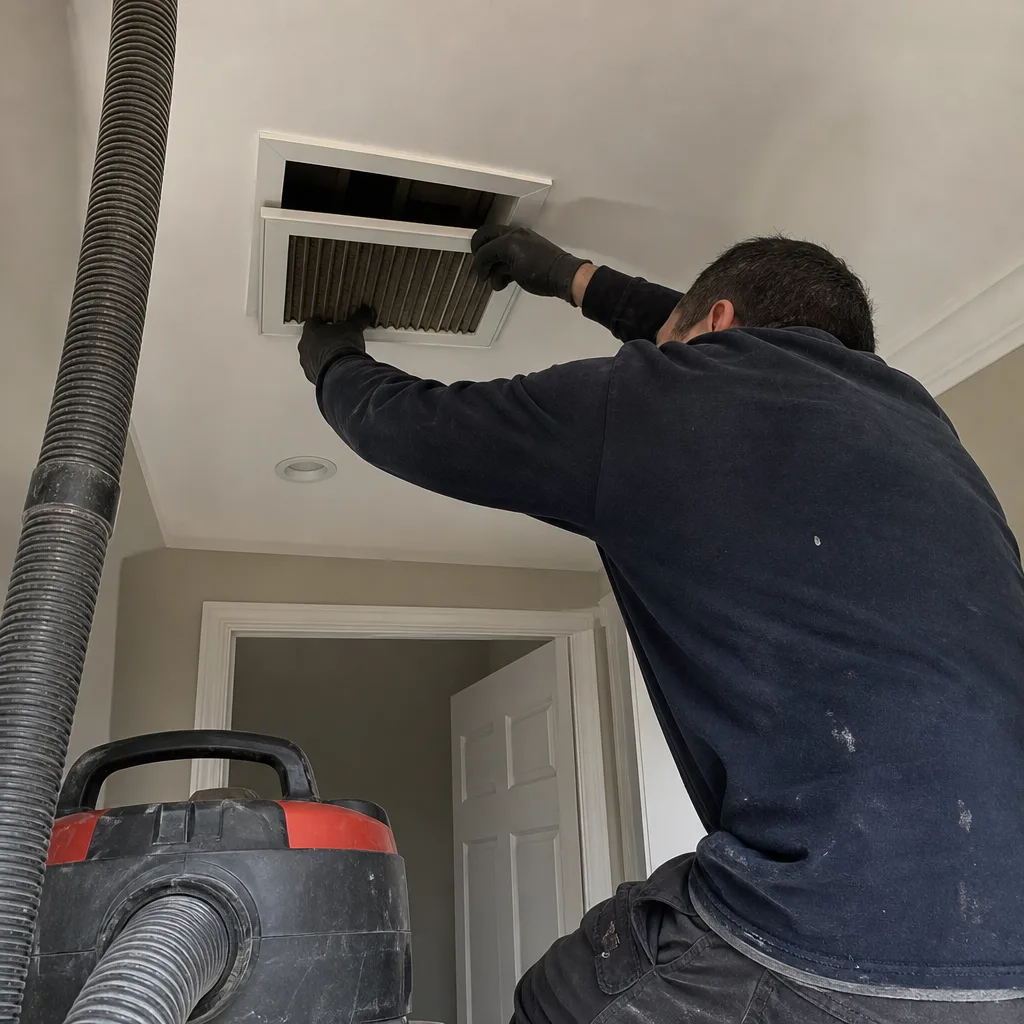
Here’s the distinction that gets lost in most marketing material. Duct cleaning has two fundamentally different approaches. Surface cleaning means running a vacuum hose through the vents and knocking loose whatever’s within reach. It’s faster, it’s cheaper, and it leaves most of the debris in the system exactly where it was. Source-removal cleaning means mechanically agitating every interior surface of the ductwork – the full length of every run, not just the first few feet – while simultaneously extracting the dislodged material with negative-pressure airflow. The first method requires a portable vacuum and an hour. The second requires rotary contact tools and HEPA negative-air machines. One of these is what you’re paying for. The other is what many companies hope you won’t notice you’re getting.
For Glendora homeowners specifically, the distinction matters even more. Our local climate means windows stay closed through the hot months from June through October, with HVAC systems running near-continuously. That’s five months of recirculated indoor air passing through whatever is sitting in your ducts. If the last “cleaning” only addressed the first three feet of each vent run, you’ve been circulating the same accumulated dust, pet dander, and construction debris the whole time. The air duct cleaning in Glendora that actually changes your indoor air quality is source-removal by definition, and source-removal requires specific equipment with specific capabilities.
The Three Equipment Categories in Source-Removal Cleaning
Source-removal cleaning doesn’t happen with one magical machine. It happens with a system of machines, each doing a job the others can’t. Understanding these three categories lets you evaluate any provider’s claims with a technician’s eye, even if you’ve never looked inside a duct in your life.
1. Negative-Pressure Units
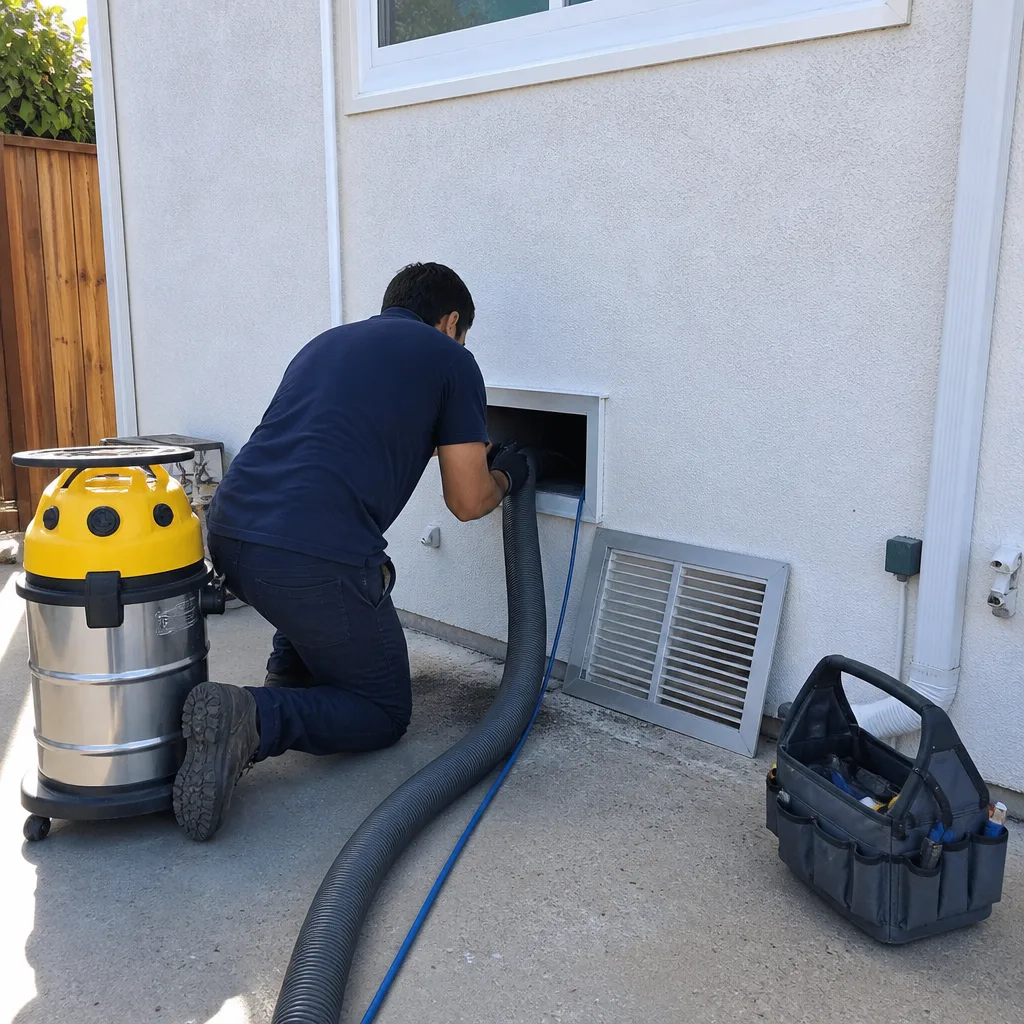
The foundation of any legitimate source-removal job is negative pressure. A negative-pressure unit is a massive vacuum that connects to your duct system and pulls air through it at high volume, creating suction that carries dislodged debris away from the living space and into a collection chamber. Critically, the collection chamber on professional units includes HEPA filtration, which means the air exhausted back into your home has passed through a filter rated to capture 99.97% of particles at 0.3 microns. Without HEPA, you’re not cleaning the air – you’re redistributing fine particulate throughout the house.
2. Rotary Contact Tools
Negative pressure alone doesn’t clean anything. It just moves air. Debris that’s adhered to duct walls – and after years of accumulated moisture, static charge, and the right conditions, plenty of it has adhered – needs mechanical agitation. Rotary contact tools solve this with a motorized brush head that spins at high speed, physically scrubbing the interior surface of the duct while the negative-pressure unit simultaneously removes what the brush dislodges. The Rotobrush system is the most widely recognized name in this category, and for good reason: the rotating brush’s contact with duct surfaces breaks the bond between debris and duct material in a way compressed air or a simple vacuum head cannot.
3. Air-Sweep and Whip Tools
The third category covers compressed-air systems that use high-pressure air streams to blast debris loose. Whip tools – flexible polymer lines that spin at high speed, “whipping” the duct interior – are common for clearing light dust and debris in branch lines. Air-sweep systems push debris toward the negative-pressure collection point using directed airflow. These tools are especially useful for navigating the flexible duct runs common in many Glendora homes built in the 1970s and 1980s, where rigid tools can’t always make the turns. They’re a complement to rotary contact tools, not a replacement, and a company that runs both is covering the full range of duct configurations found in this area.
The key takeaway is the combination. Serious providers deploy all three categories together: negative pressure to establish airflow, rotary contact to scrub stubborn debris, and air-sweep tools to clear what the brush can’t reach. A company running only a negative-pressure unit is doing vacuum-only cleaning regardless of what they call it. A company running only compressed-air tools is blowing debris around without capturing it properly. The system is what matters, not any single piece.
Name-Brand Equipment Lines That Serious Operators Use
Here’s where the “brand” conversation gets concrete. Specific manufacturers build specific tool classes, and knowing what each name represents lets you decode any company’s equipment claims in seconds.
Rotobrush BrushBeast
Rotobrush is the category leader for portable rotary brush systems, and the BrushBeast line is their professional offering. What matters about BrushBeast is the configuration: a rotary brush head that mechanically scrubs duct interiors while a HEPA-filtered vacuum simultaneously extracts dislodged debris. The unit is self-contained and runs on standard power, meaning it can be deployed in homes without special electrical access. For duct systems up to about 2,000 square feet, this is the workhorse configuration. The brush’s contact with duct walls is what separates source-removal from vacuum-only pass-throughs.
Abatement Technologies HEPA-AIRE
Abatement Technologies started in the remediation industry – think hospitals, construction containment, and mold-abatement projects – and their HEPA-AIRE line brings that filtering standard to residential duct work. The HEPA-AIRE units are negative-air machines with certified HEPA filtration, meaning the exhausted air meets the same particle-capture standards used in hospital isolation rooms. When a company runs a HEPA-AIRE unit during duct cleaning, the air being pulled through the system is being filtered to that standard on its way out. This is not a trivial distinction. Standard vacuum filters – even good ones – let considerably more fine particulate pass through. Abatement Technologies also produces air scrubbers that filter room air independently of the duct system, which matters for homes where previous cleaning attempts or construction work have left fine dust settled throughout the living space.
Nikro Truck-Mount Systems
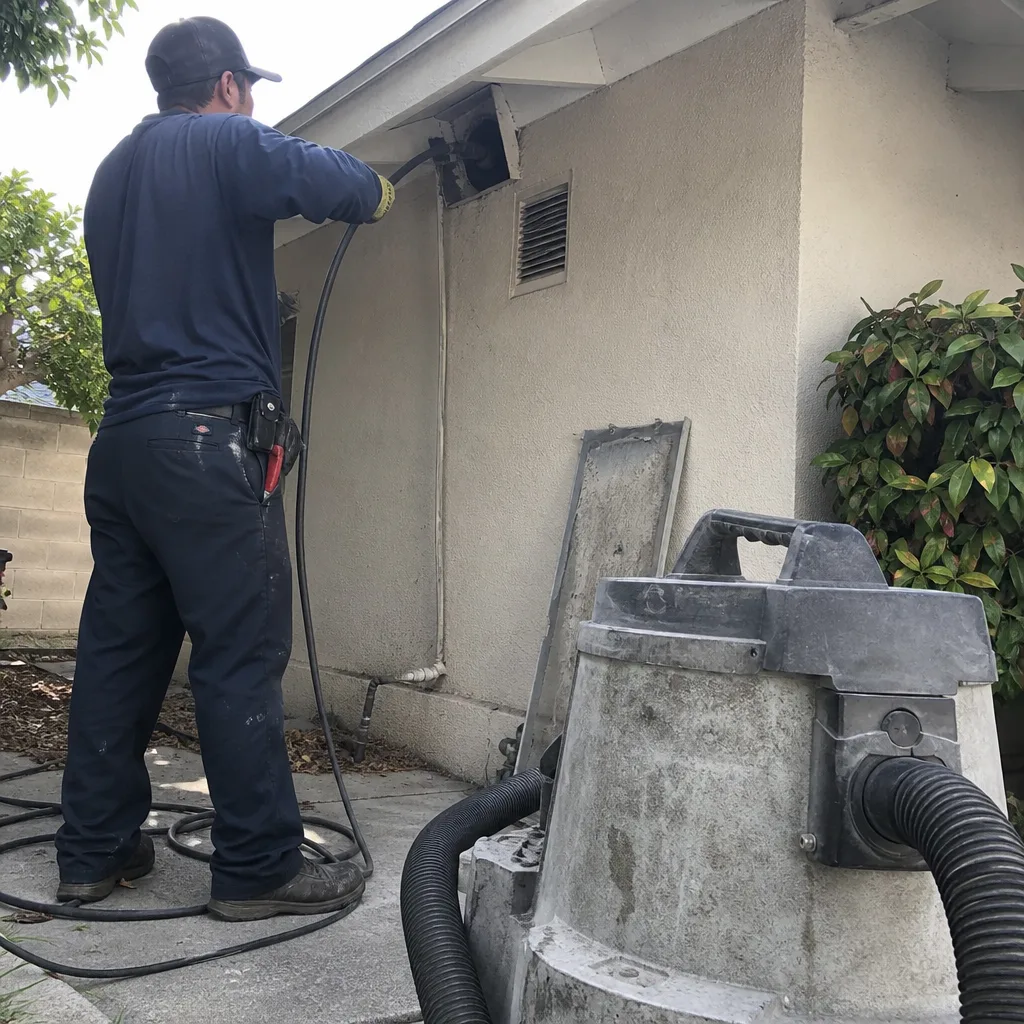
Nikro builds both portable and truck-mounted negative-air systems, but their truck-mount line is the one that separates serious operators from the rest. Truck-mounted units mount the vacuum assembly directly to the vehicle’s engine or a dedicated power take-off, which fundamentally changes the performance envelope. We’ll get into the CFM numbers in the next section, but the short version is this: truck-mounted systems generate airflow rates that portable units cannot match, and they can run continuously for hours without overheating or losing suction. Nikro’s truck-mount systems are common equipment on professional duct-cleaning vehicles precisely because they deliver consistent negative pressure across the full duration of a job, even in larger homes.
One more name worth knowing: Goodway. Goodway manufactures industrial-grade duct cleaning equipment, and their presence in a company’s fleet signals experience with commercial systems and larger-scale projects. While less common in residential work, a company that runs Goodway equipment alongside Rotobrush or Nikro units is drawing from a broader toolset than a single-system operator.
We run Rotobrush rotary brush systems paired with Nikro HEPA negative-air vacuums on every applicable job, and we bring Abatement Technologies air scrubbers on jobs where the home’s air quality warrants remediation-grade filtration. The combination matters. Each tool does a job the others can’t, and running all three means the full duct system gets source-removal treatment rather than a surface pass. That’s the standard we apply to Duct Cleaning Glendora home service calls, and it’s the standard you should be looking for from any provider you’re evaluating.
Truck-Mounted vs. Portable: CFM and Continuous Operation
The single most telling spec in duct cleaning equipment is CFM – cubic feet per minute – which measures the volume of air the vacuum can move. It’s the difference between a system that establishes real negative pressure across your entire duct network and a system that only manages airflow in the duct it’s currently attached to.
Portable units, including the highest-quality Rotobrush configurations, typically pull between 1,200 and 2,200 CFM depending on the model and the condition of the filters. That’s sufficient for homes up to roughly 1,800 square feet with standard duct configurations. The machine can establish negative pressure, run the rotary brush, and extract debris effectively within that envelope. Push a portable unit into a 3,000-square-foot home with long duct runs spanning multiple floors, and the math changes. The system’s static pressure rises as the air has farther to travel, the vacuum works harder to maintain the same CFM, and the result is reduced extraction efficiency the farther you get from the machine.
Truck-mounted Nikro systems solve this by scaling the power source. The vacuum assembly connects to the truck’s engine directly, which means it can generate significantly higher CFM – commonly 4,000 to 7,000 CFM depending on the model and engine configuration. That airflow rate establishes negative pressure across longer duct runs, through more turns, and through the full system simultaneously rather than section by section. The second critical advantage is continuous operation. A truck-mounted unit can run at full capacity for the entire duration of the job without the thermal throttling that portable electric motors experience after extended use. In a larger Glendora home with extensive ductwork, that consistent airflow is what ensures the debris dislodged from the far end of the system actually makes it to the collection chamber.
The practical implication for Glendora homeowners: know your home’s size and duct configuration. If you’re in a 1,400-square-foot ranch near Finkbiner Park with standard branch lines, a quality portable system with rotary brush and HEPA filtration will do the job properly. If you’re in a 2,800-square-foot two-story off Sierra Madre Avenue with long trunk lines and multiple returns, the portable unit’s performance envelope may not cover the full system. The company’s answer to your equipment question – specifically, whether they run truck-mounted or portable negative-air – tells you a great deal about whether they’ve sized the job honestly or are just running whatever fits in the van.
What a Company’s Equipment List Reveals About Its Business Model
You can learn more about a duct cleaning company from its equipment page than from its entire “About Us” section. The tools a company runs are a direct reflection of the jobs it’s structured to handle and the margins it’s willing to accept.
Portable-only operators – companies running a single portable vacuum with brush attachments – are typically built for speed. The equipment is lightweight, fits in a standard van or SUV, sets up in minutes, and allows a single technician to move quickly between jobs. The business model depends on volume: four or five jobs a day, minimum time per job, minimum equipment cost amortized across the maximum number of visits. In homes under 1,800 square feet with relatively clean ducts, this model produces acceptable results. The problem is that the same model gets applied to every job, regardless of the system’s actual condition or size. A portable-only operator showing up at a 3,000-square-foot home with 20 years of accumulated dust, pet hair, and construction debris in the ducts doesn’t downgrade the job scope. They run the same process, in the same time, and leave with the customer unable to verify what was actually removed.
Companies running truck-mounted systems and rotary contact tools are structured differently. The equipment cost is substantially higher, the setup time is longer, and operators typically run one or two jobs a day rather than five. This model requires a higher per-job price, which means the company’s incentive is to deliver results that justify that price and generate repeat business and referrals. When a company invests in Nikro truck-mount equipment and Rotobrush rotary systems, they’re making a statement about the kind of work they pursue: thorough source-removal jobs on homes where the customer cares about what’s actually in the ducts, not just whether someone waved a hose around for an hour.
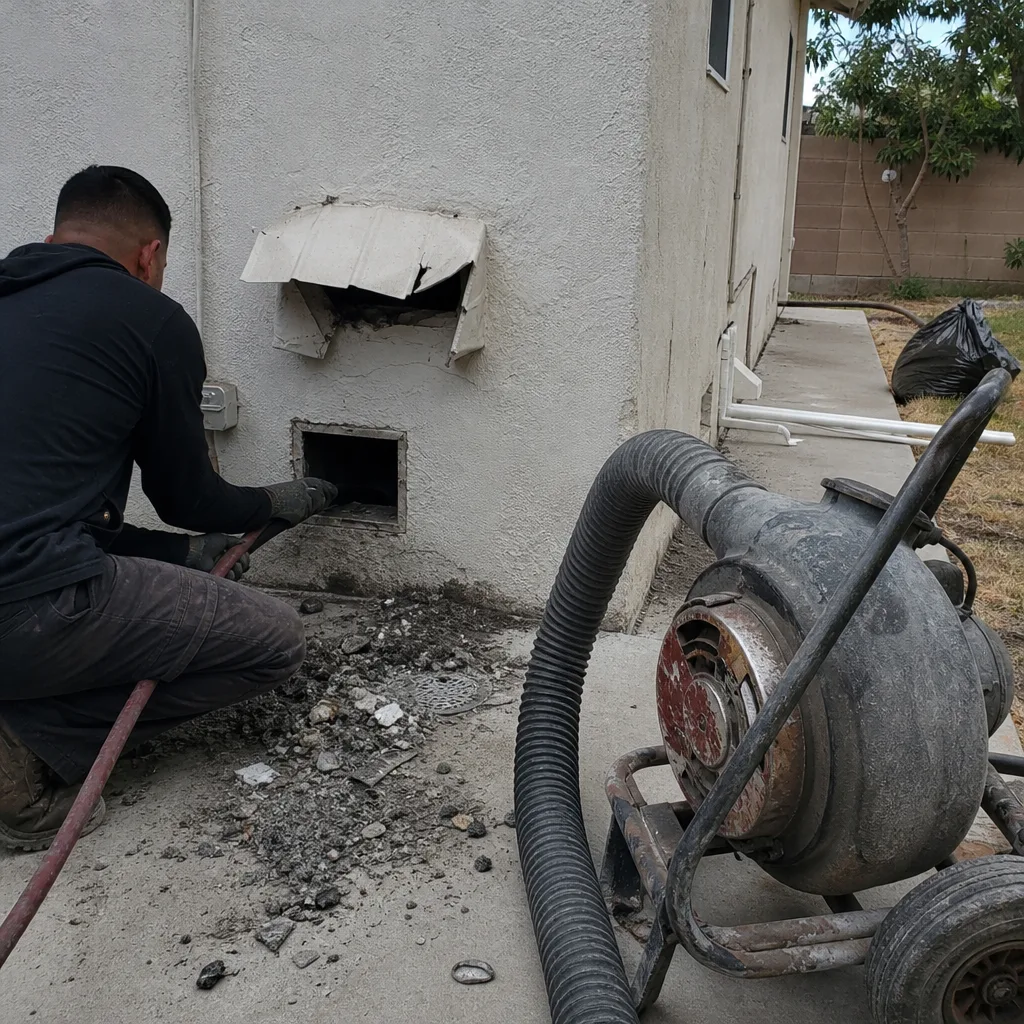
There’s a second signal hiding in a company’s equipment list: whether they handle dryer vents and duct repair in-house. Here’s why it matters. When we clean a duct system in Glendora and find a disconnected section, a crushed flex run, or a dryer vent packed with lint, the customer has two options: call a second company to address it, or leave it as-is. The dryer vent cleaning in Glendora that we perform as a standalone service exists because a dedicated dryer vent line is a different animal from an HVAC duct run – it’s the highest-fire-risk vent in the home, and it deserves the same professional attention as the main duct system, not a ten-minute add-on. Companies that offer all three services – cleaning, dryer vents, and repair – are telling you they’re prepared to solve the full scope of what they find. Companies that only offer cleaning are telling you they’ll either ignore what they find or hand you off when the scope expands.
The air duct repair in Glendora piece matters especially in older homes. Our housing stock includes plenty of properties built in the 1960s and 1970s, and those systems have often been patched, extended, and modified by decades of HVAC work. A cleaning company that also does structural duct repair can address a cracked plenum or a crushed return branch in the same visit. A cleaning company that doesn’t will clean around the problem and leave you with the same inefficiency – and the same indoor air quality issues – intact.
Three Ways to Verify Equipment Claims Before You Book
Any company can write “HEPA-filtered commercial-grade equipment” on their website. Very few can show you the actual machines when you ask. Here’s how to move from marketing claims to verified fact in three steps.
- Ask for the make and model before you book. Don’t accept “high-powered vacuum system” or “professional tools.” Ask specifically: What rotary brush system do you run? What negative-air machine do you use? What’s the CFM rating on the collection unit? A company running Rotobrush, Nikro, or Abatement Technologies equipment will answer immediately and with specificity. A company running generic equipment will deflect with vague language. Write down what they tell you and be prepared to verify it.
- Ask to see the unit when they arrive. The equipment that shows up should match the equipment they claimed on the phone. Look for the brand name on the machine itself. A Rotobrush unit says Rotobrush on the housing. A Nikro vacuum says Nikro. If the technician shows up with unbranded or mismatched equipment, ask why. The answer you get – or the evasion – tells you what you need to know about whether the company’s equipment claims were honest.
- Confirm HEPA filtration on the collection unit. This is the single most important check. Ask to see the HEPA filter or the HEPA certification label on the collection chamber. HEPA is a specific filtration standard – 99.97% capture of particles at 0.3 microns – and legitimate equipment carries labeling that confirms it. If the vacuum they’re running doesn’t have a HEPA filter, the fine particulate being pulled from your ducts is being exhausted back into your living space during the cleaning process. That’s not a minor detail. That’s the difference between cleaning and redistribution.
If a company passes all three checks – names their equipment specifically before booking, brings matching machines on the day, and confirms HEPA filtration on-site – you’ve done more verification than 95% of homeowners. That’s the standard we hold ourselves to on every Glendora job, and it’s a reasonable baseline for any provider you’re considering.
Glendora-Specific Considerations: Climate, Home Size, and Duct Wear
Glendora’s specific geography and housing stock create duct-cleaning conditions that differ from coastal LA communities in meaningful ways. Understanding these local factors helps you evaluate what kind of cleaning your home actually needs.
First: the heat. Glendora sits at the base of the San Gabriel Mountains, and our summer temperatures routinely run 10 to 15 degrees hotter than coastal communities. That means HVAC systems in Glendora run harder and longer than systems in Long Beach or Santa Monica, which means more air passes through the ducts each year, which means more dust deposition, more static-charged particle adherence, and more impact from whatever is sitting in the system during the five months of peak cooling season. Homes near the foothills – the neighborhoods off Sierra Madre Avenue and up toward the wilderness park boundary – also deal with dry, fine dust from the mountain slopes during Santa Ana wind events, and that dust finds its way into supply and return registers with surprising efficiency.
Second: housing age and duct configuration. Glendora’s housing stock spans multiple eras, and each era has signature duct challenges. The post-war ranches and mid-century homes common in neighborhoods around Finkbiner Park and downtown Glendora often have rigid metal ducts that have been in place for 50 years or more. Metal ducts hold up structurally but accumulate stubborn debris that adheres to the interior surface over decades. The 1970s and 1980s developments off Lone Hill Avenue and Barranca Avenue frequently used flexible duct runs for branch lines, and flex duct- especially older flex duct- collects debris differently: the ribbed interior surface traps material, and flex runs are more susceptible to sag, compression, and disconnection at the joints. The larger two-story homes built in the 1990s and 2000s on the eastern side of the city often have extended trunk lines with multiple returns and zones, which means longer duct runs and more opportunity for debris accumulation at bends and transitions.
Third: the specific combination of dust types. Glendora homeowners deal with a mix of urban particulate, mountain dust from Santa Ana winds, pet dander from the area’s high rate of dog and cat ownership, and in many homes, construction dust from renovations that never got fully cleaned out of the system. This mixed debris profile responds best to mechanical agitation – rotary brush contact with the duct walls – combined with negative-pressure extraction. Compressed-air-only cleaning tends to move the lighter particulate around without addressing the adhered material, which is why the equipment combination matters so much in our local conditions.
Common Mistakes to Avoid
- Hiring based on the lowest quote without asking what equipment they run. The $99 whole-house duct cleaning specials that circulate in Glendora are priced for portable-only operators running a single vacuum. In most homes over 1,800 square feet, that equipment cannot achieve source-removal results. You’ll pay less and get a surface pass.
- Accepting “HEPA” without verification. HEPA is a specific filtration standard, and the word gets used loosely. Ask to see the filter housing and the certification label on the collection unit. If they can’t show you a HEPA filter, they don’t have one.
- Believing duct cleaning is always the answer to every indoor air quality problem. Sometimes the problem is a dirty return, sometimes it’s a crushed duct branch, sometimes it’s a dryer vent. A company that pushes cleaning before inspecting the system is selling a service, not diagnosing a condition.
- Skipping dryer vent cleaning during the same visit. Dryer vents are a leading cause of preventable house fires, and Glendora homes with long dryer vent runs from interior laundry rooms to exterior walls are particularly prone to lint accumulation. If the company you’re considering doesn’t offer dedicated dryer vent cleaning with the same professional equipment, you’re leaving a documented fire risk unaddressed.
- Not asking what they’ll do if they find damage. Duct cleaning in older Glendora homes frequently reveals existing problems: disconnected flex runs, crushed branches, rusted sections of metal duct. If the company can’t repair what they find, you’ll pay for a cleaning and still have a compromised system.
- Assuming the company name tells you anything. “Eco,” “Pure,” “Fresh,” “Green” – these words appear on company vans across the San Gabriel Valley and have zero correlation with cleaning quality. The equipment inside the van is what matters, not the logo on the door.
- Not asking to see before-and-after photos of their own ducts. Any legitimate source-removal company can show you what your ducts look like before cleaning and what they look like after. We make a point of showing every Glendora customer what we found – debris accumulation, disconnected sections, rust, or previous cleaning residue – because transparency is the only verification that matters on an invisible surface.
When to Call a Professional
Duct cleaning is not a DIY project, and it’s not a job where you should be learning on the fly. Call a professional when you notice visible dust accumulation on supply registers or return grilles beyond normal surface dust, when your HVAC system has been running through a renovation or major construction in the home, when you smell a musty or stale odor on system startup that persists after filter replacement, when your energy bills have crept up without a corresponding change in usage patterns, or when you’ve lived in the home for several years and have never had the ducts cleaned. You should also call if you bought a Glendora home with unknown duct history, because the previous owner’s cleaning habits – or lack of them – are now your indoor air quality. For more guides & resources on maintaining healthy ducts, visit our blog. Duct Cleaning Glendora offers free estimates in Glendora – call (833) 620-4169 to schedule one.
Frequently Asked Questions
Professional source-removal duct cleaning in Glendora typically runs between $450 and $800 for a standard single-family home up to 2,500 square feet, depending on the number of vents, the system configuration, and the accessibility of the ductwork. Larger homes, systems with significant debris accumulation, or homes requiring multiple visits for thorough source-removal may run higher. The $99 specials you see from portable-only operators are not comparable – that price buys a surface pass, not source-removal cleaning. Call (833) 620-4169 for an exact quote on your Glendora home – estimates are free.
A thorough source-removal cleaning on a standard Glendora home takes between 3 and 6 hours, depending on system size and debris accumulation. Companies quoting 60-minute whole-house cleanings are not performing source-removal work – they’re running a vacuum through the vents. Real mechanical agitation of every duct surface takes time, and negative-pressure extraction has to run continuously while the agitation happens.
No. A shop vacuum cannot generate the negative pressure required to extract debris from beyond the first few feet of any duct run, and without mechanical agitation, adhered debris stays on the duct walls. Worse, a shop vacuum without HEPA filtration exhausts fine particulate back into the living space, potentially making your indoor air quality worse. Duct cleaning requires professional equipment and professional training – this is not a weekend project.
In Glendora’s summer climate with extended HVAC runtimes, every 3 to 5 years is a reasonable baseline for most homes. Homes with multiple pets, recent renovations, or occupants with respiratory conditions may benefit from more frequent cleaning. If it’s been longer than 5 years since your ducts were last cleaned – or if you don’t know when they were last cleaned – it’s time for an inspection at minimum.
The $99 special typically involves a portable vacuum with a brush attachment, a technician spending 45 minutes in the home, and a process that touches only the visible portions of your duct system. Source-removal cleaning uses rotary brush systems for mechanical agitation, HEPA negative-air machines for extraction, and covers the full length of every duct run, including trunk lines, branch lines, and returns. In a typical Glendora home, the difference is several hundred dollars and several hours of labor – and the difference in result is measurable in the debris removed.
Yes. We run Rotobrush rotary brush systems paired with Nikro HEPA negative-air vacuums on every applicable job, and we bring Abatement Technologies air scrubbers when the home’s air quality warrants remediation-grade filtration. We’re also familiar with Honeywell and Aprilaire whole-home air quality systems, which means we can assess your duct health within the broader context of your HVAC ecosystem rather than treating the ducts in isolation. Every Glendora customer sees the equipment before we start, and we show before-and-after photos of their own ducts when the work is done.
The Bottom Line
Choosing the right air duct cleaning company in Glendora comes down to one question: what equipment are they actually bringing? Companies that name their tools – Rotobrush rotary systems, Nikro HEPA vacuums, Abatement Technologies air scrubbers – are making claims you can verify. Companies that describe their tools generically are avoiding verification. Ask for makes and models before you book, verify the equipment shows up, and confirm HEPA filtration on the collection unit. If the company also handles dryer vents and duct repair, you’re working with a duct-system specialist rather than a one-tool operator. Glendora’s heat, housing stock, and dust conditions make source-removal cleaning the only approach that delivers what you’re paying for, as detailed in The Complete Air Duct Cleaning Guide for Glendora Homeowners. Call (833) 620-4169 for a free estimate and see what’s actually in your ducts before you decide.
Written by the team at Duct Cleaning Glendora, serving Glendora since 2014.
See the difference
 Before
 After
 Before
 After
 Before
 After