
Last updated November 2, 2026
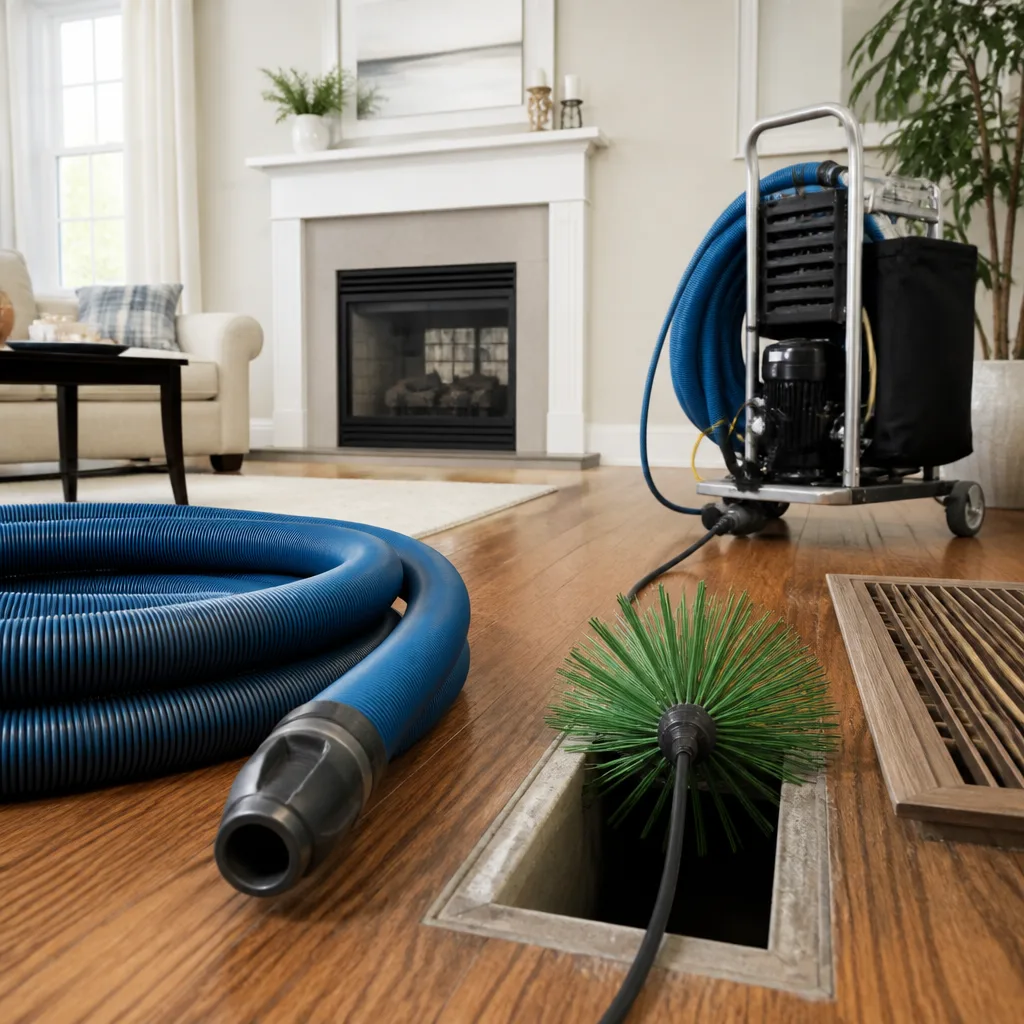 Whole-home duct cleaning
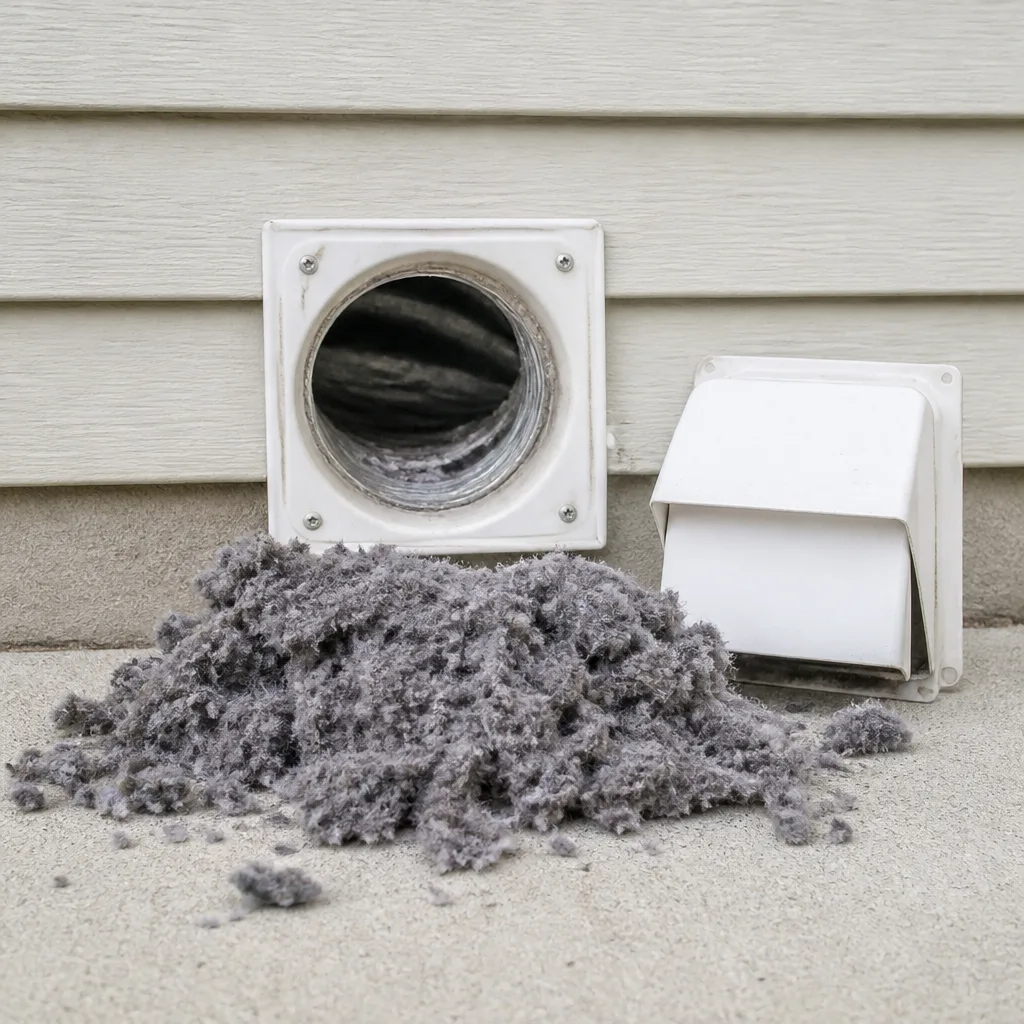 Dryer vent cleaning
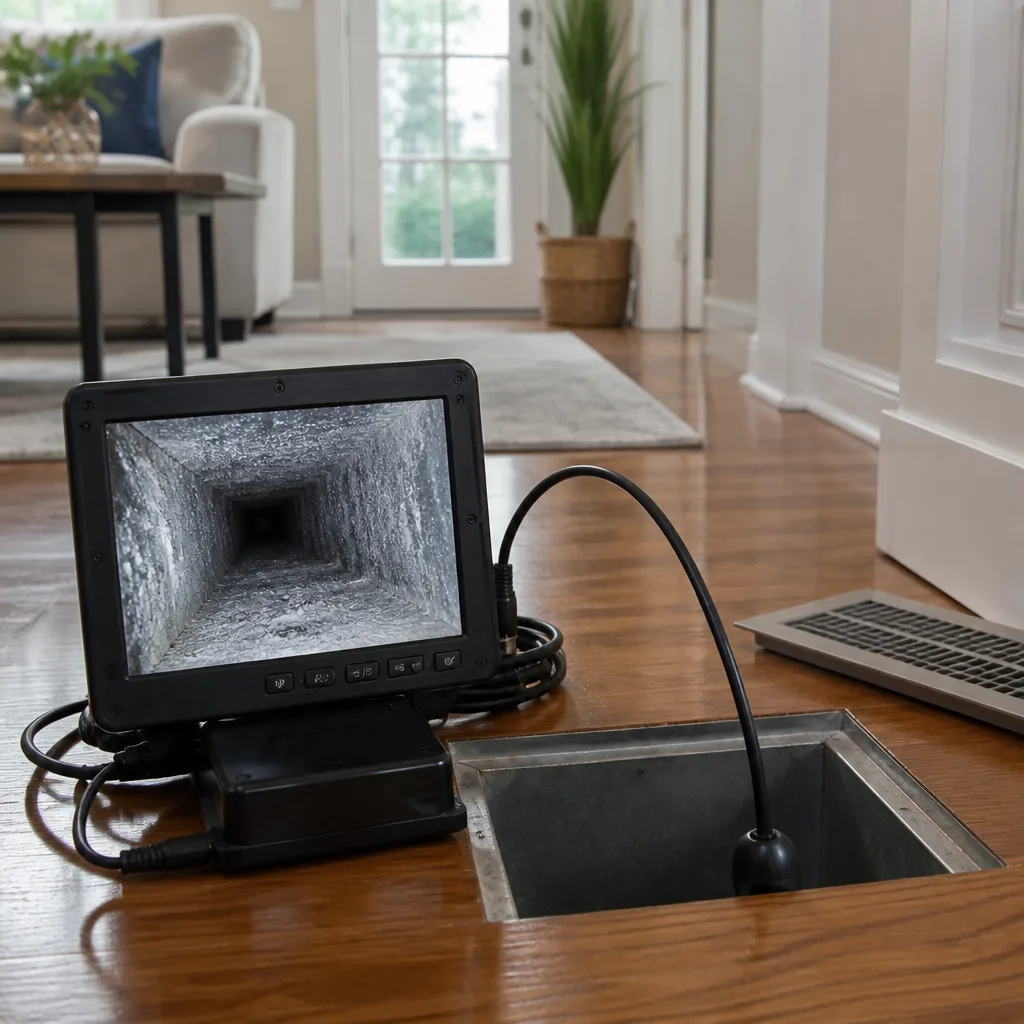 Camera inspection
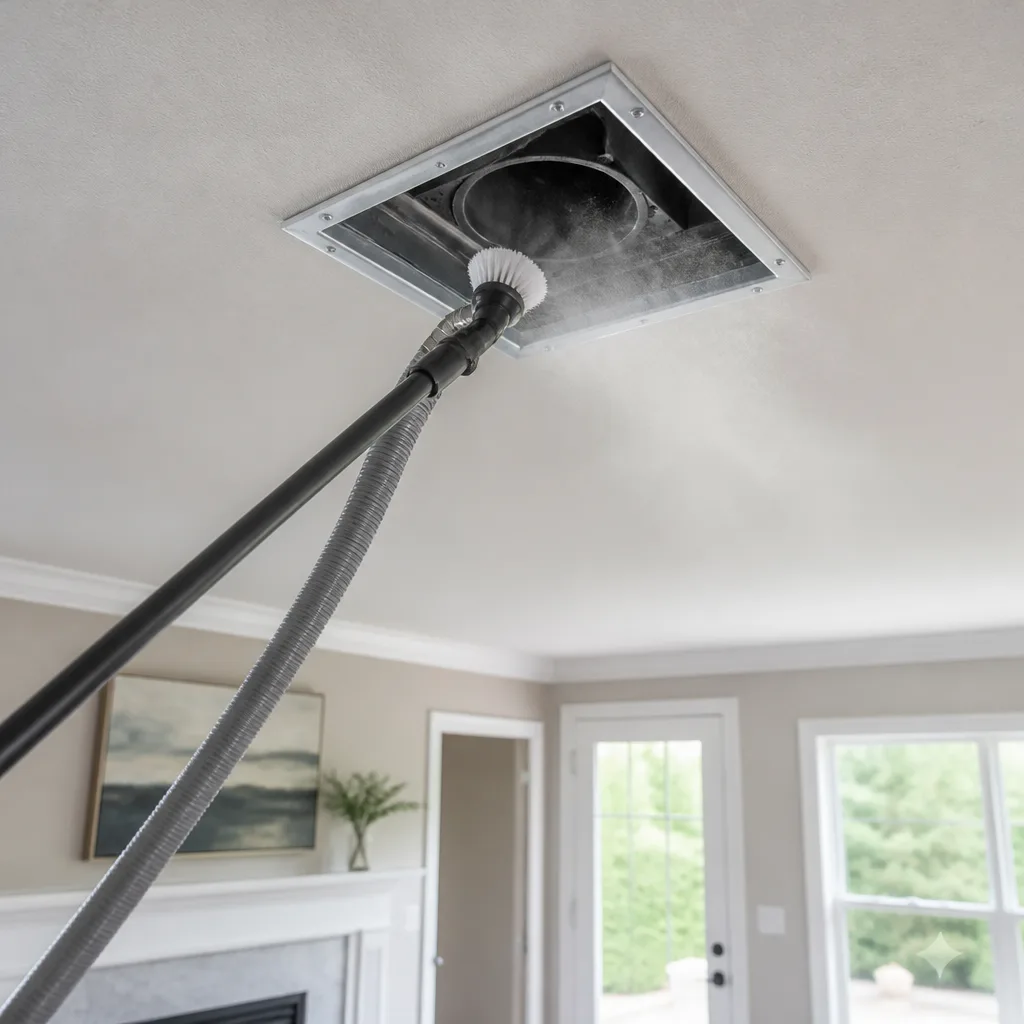 Sanitizing & deodorizing
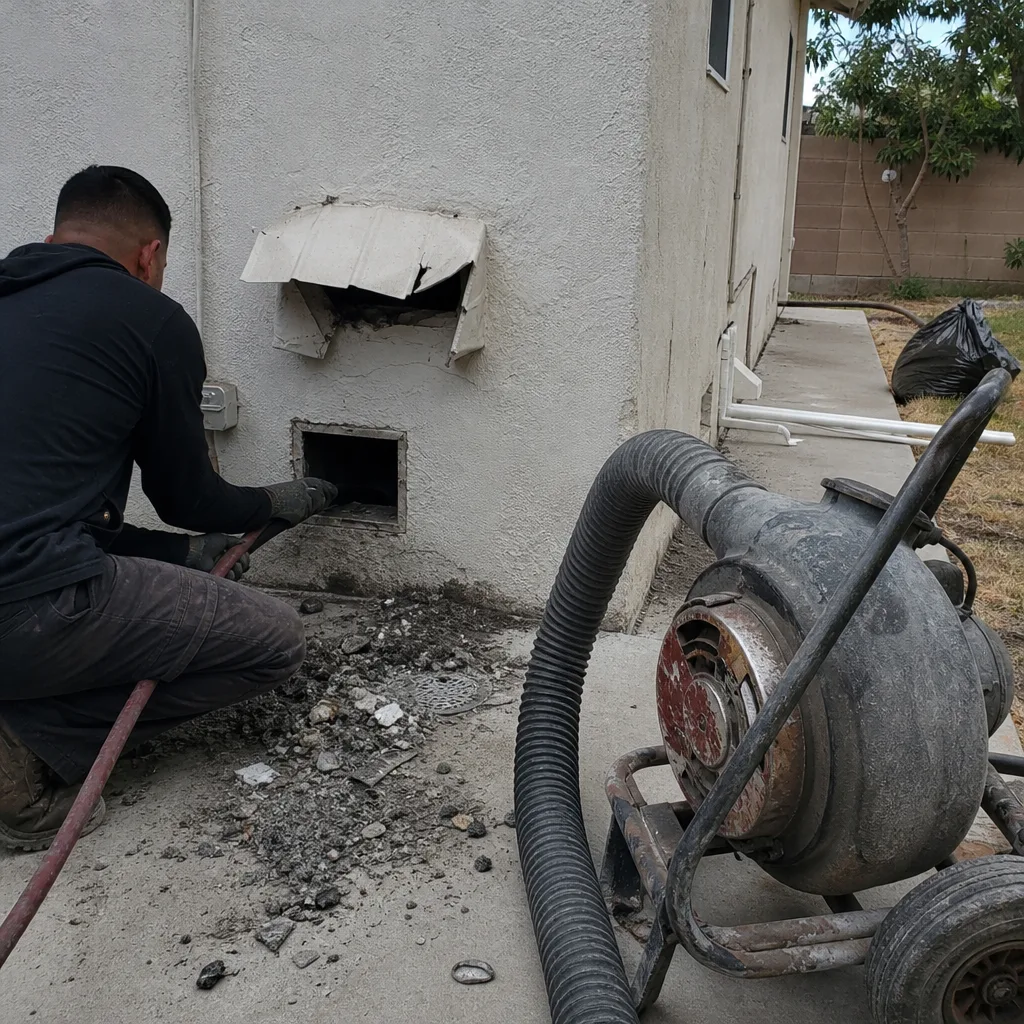
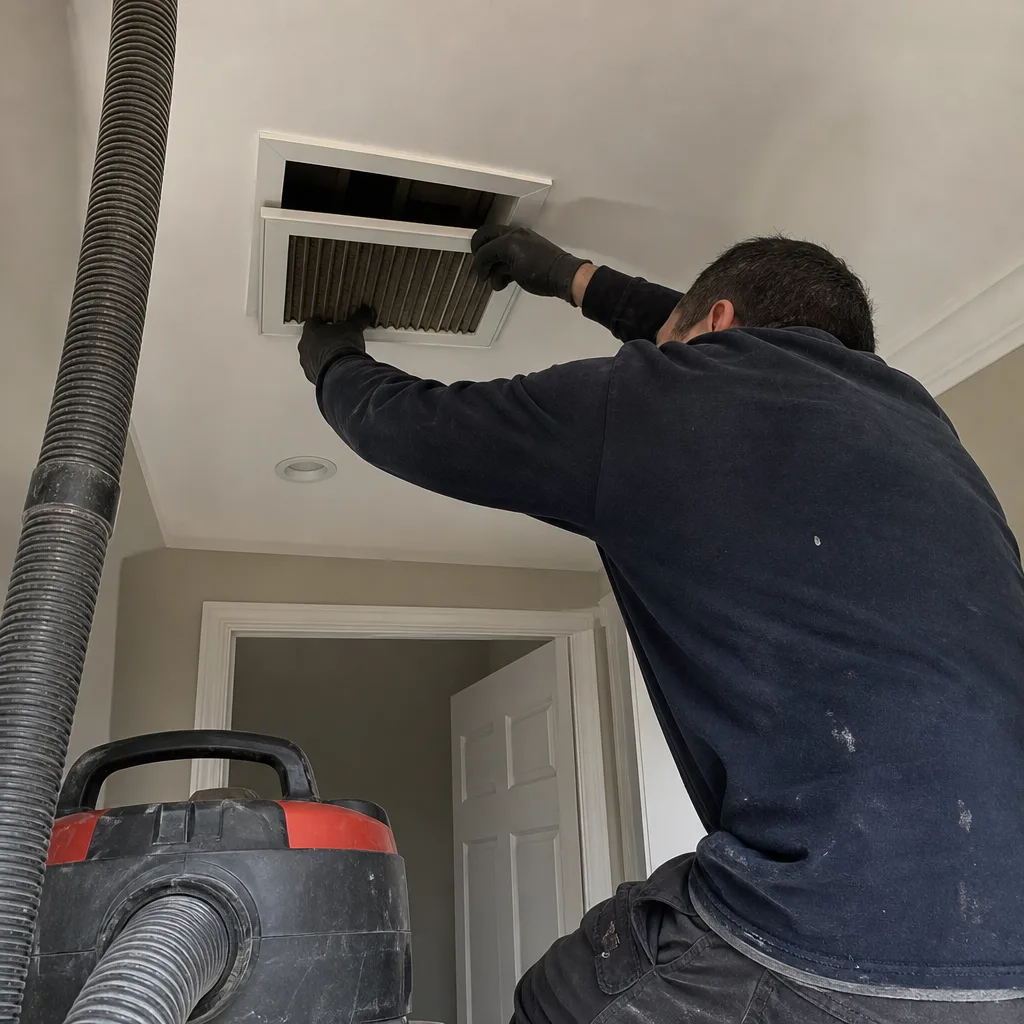
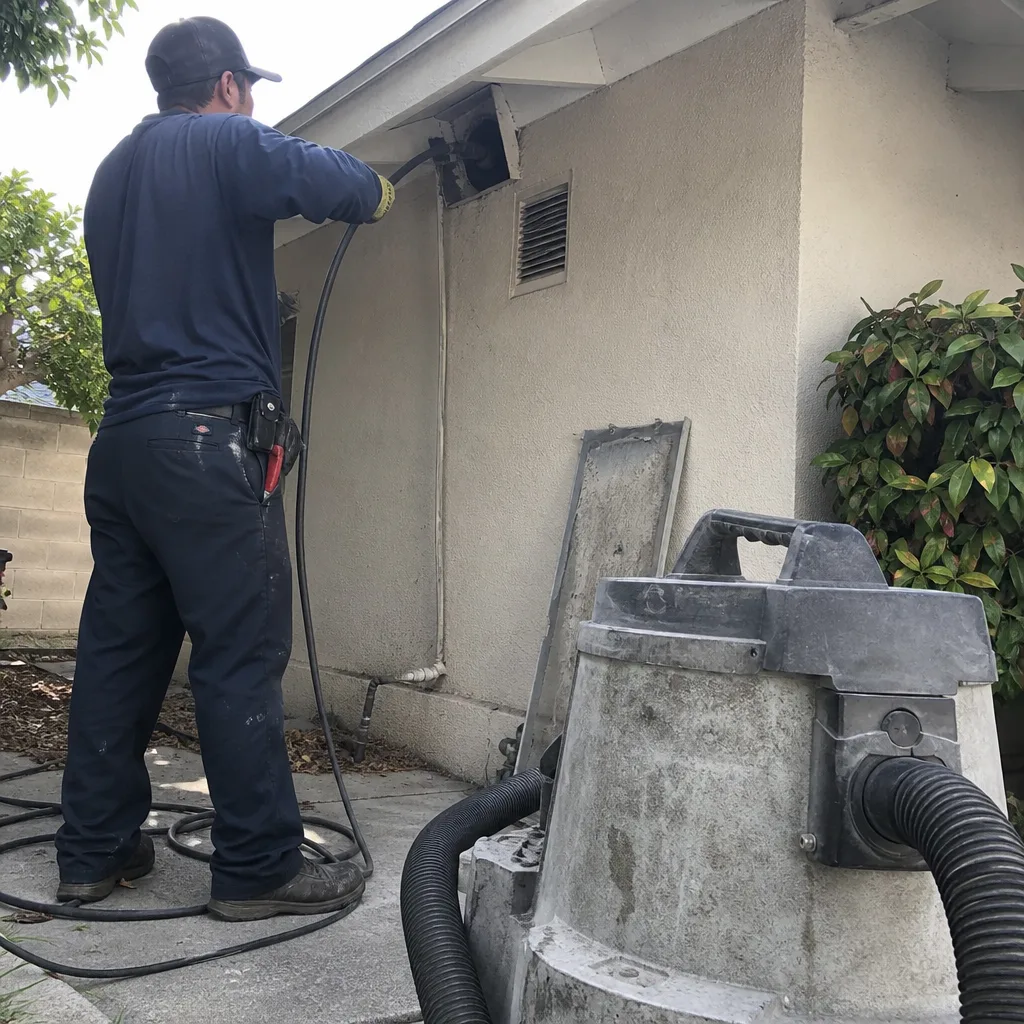
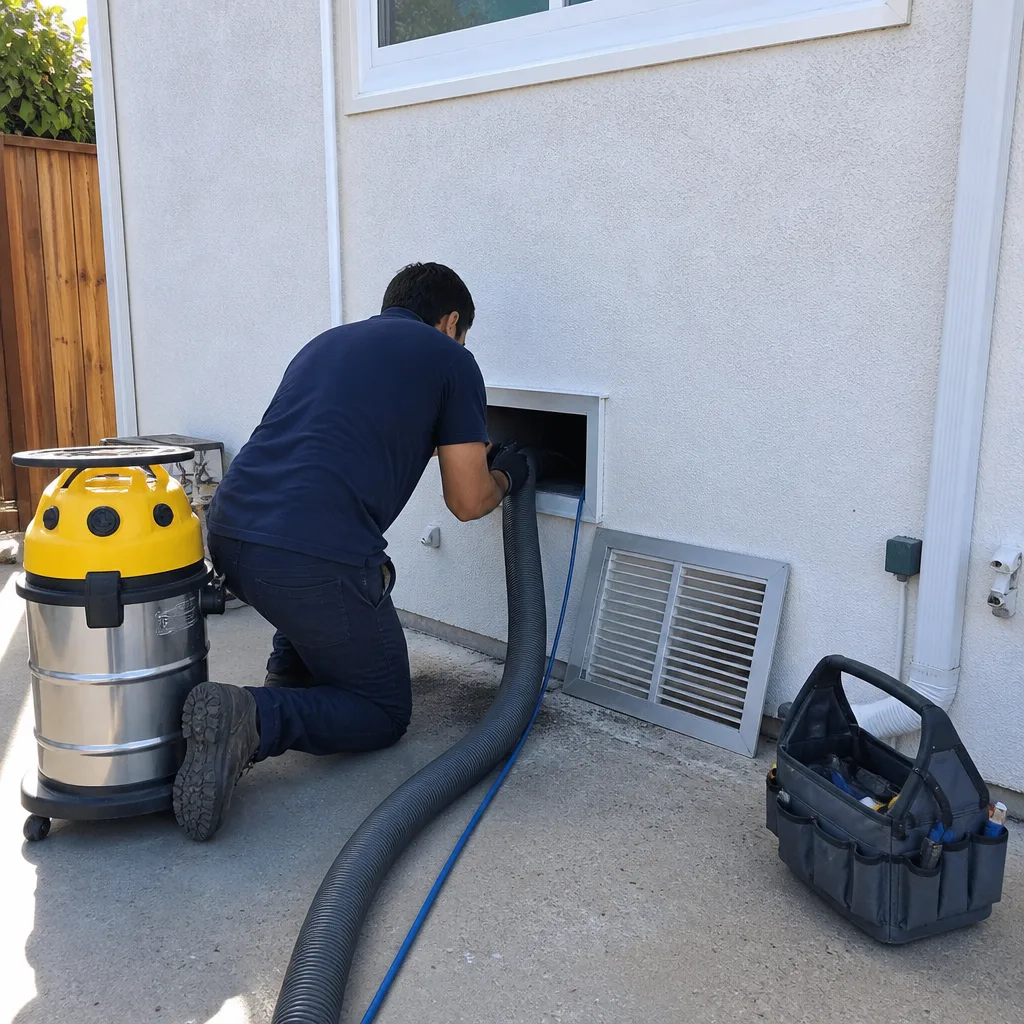
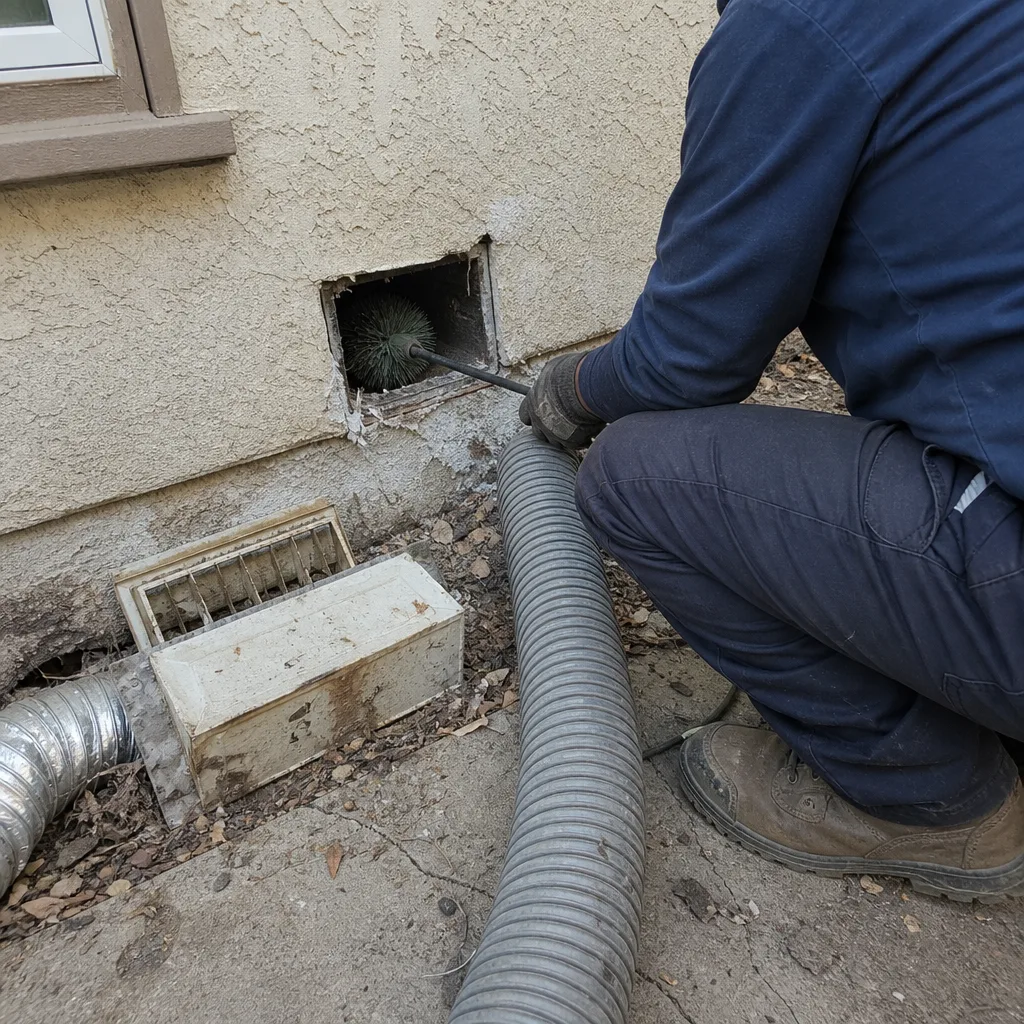
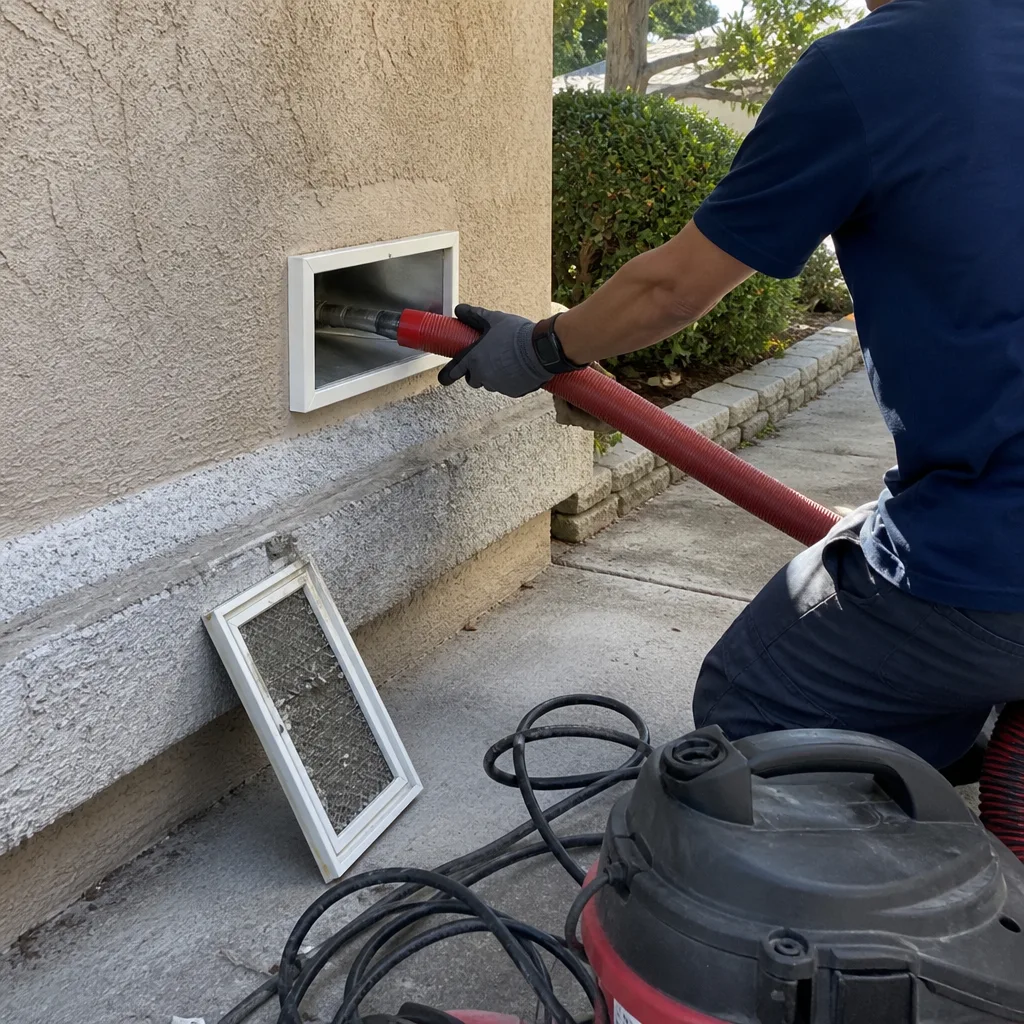
Whole-system duct and dryer vent check with before-and-after photos - you see exactly what came out of your vents
That "$99 whole-house special" is a bait ad - the real number appears once they are in your hallway, or the "clean" is a shop-vac at the register. We photograph the inside of your ducts before and after instead.
Air Duct Cleaning Warning Signs: A Glendora Homeowner’s Reference Guide
Here’s a counterintuitive fact that saves Glendora homeowners real money: most of what people call “duct cleaning warning signs” are actually symptoms of three or four entirely different problems, and only one of them lives in your ducts. The dust you see at a supply register is usually blower wheel buildup. The musty smell in summer is often coil condensate, not duct liner. Our Complete Air Duct Cleaning Guide for Glendora Homeowners exists to stop you from paying for work your ducts don’t need, and to point you toward the work they do. You’ll learn how to map each symptom to the specific system component responsible, how to run a basic flashlight inspection at your registers, and when a HEPA-filtered source removal is the actual fix versus when a Glendora homeowner should call an HVAC technician instead. We’re Duct Cleaning Glendora, and we’ve written this from the perspective of what we actually see inside duct systems across Glendora, not from a marketing template.
Styles & brands we work with
- Whole-home duct cleaning
- Dryer vent cleaning
- Camera inspection
- Sanitizing & deodorizing
Quick Answer
Air Duct Cleaning warning signs in Glendora homes fall into four verifiable categories: visible particulate discharge at registers (which usually indicates a dirty blower wheel rather than dirty duct interiors), persistent odor that changes with HVAC operation (which must be traced to duct liners, coil drain pans, or crawlspace infiltration separately), uneven room temperatures caused by actual airflow obstruction, and post-wildfire particulate odor that standard cleaning will not resolve without HEPA-filtered source removal. If you cannot confirm the symptom originates inside the duct interior itself with a flashlight inspection, cleaning may address the wrong problem.
Table of Contents
- Supply Register Dust: Why It’s Usually Not Your Ducts
- Uneven Room Temperatures in Glendora Homes
- Musty Odor: Three Different Causes, Three Different Fixes
- Rising Utility Bills and Airflow Restriction
- Post-Wildfire Particulate Odor Specific to Glendora
- The Flashlight-and-Phone-Camera Inspection You Can Do Yourself
- Decision Tree: Symptom to Service Response
- Common Mistakes to Avoid
- When to Call a Professional
- Frequently Asked Questions
- The Bottom Line
Supply Register Dust: Why It’s Usually Not Your Ducts
Visible dust at supply registers is the most cited “warning sign” in the duct cleaning industry, and it is also the most frequently misread. Here’s what we see in Glendora homes: when dust accumulates on the register grille or on the wall directly around it, the homeowner assumes dirty ducts. But supply-side dust discharge typically originates at the blower wheel or the blower housing, not the duct interior. Your blower wheel spins at high RPM and accumulates a fine layer of household dust and skin cells over time. When that layer builds, the wheel becomes unbalanced and slings particulate into the airstream, which exits through your supply registers. The ducts themselves are just the delivery path.
This distinction matters because it changes the service response. A blower wheel cleaning is an HVAC equipment service, not a duct cleaning. Some duct systems do have interior contamination significant enough to discharge visible particulate, but in our experience working across Glendora, that level of interior contamination is far less common than blower buildup. The diagnostic step is simple: remove one supply register, wipe a white cloth against the inside wall of the duct opening. If the cloth comes back clean or nearly clean while the register grille itself is dusty, the duct interior is not your particulate source. If the cloth comes back coated, source removal cleaning may be warranted.
One Glendora-specific factor: our Santa Ana wind events push fine dust through window and door seals, and a portion of that dust enters the return air stream and gets deposited on the blower. Homes in the northern Glendora foothill neighborhoods, closer to the San Gabriel mountain base, tend to see more of this fine particulate than homes further south toward the 210. What we tell homeowners is this: check the duct interior before you commit to cleaning, and if the duct is clean but the blower is dirty, call an HVAC technician. Our Air Duct Cleaning in Glendora service is honest about when it’s the right tool and when it isn’t.
Uneven Room Temperatures in Glendora Homes
Glendora’s summer temperature pattern is predictable: hot, dry days from June through October, regularly exceeding 95 degrees in September, with overnight cooling limited by retained heat in the foothills. When one upstairs bedroom is noticeably warmer than the rest of the house in August, the cause is often airflow restriction, not dirty ducts per se. But the location of that restriction determines whether cleaning will help.
Airflow obstruction falls into three categories. First, a damper issue: manual volume dampers in branch ducts get bumped closed or stuck partially closed. Second, a crushed or disconnected branch duct: flex duct gets compressed in attics when storage boxes are set on top of it, or connections separate at the plenum. Third, actual interior duct contamination: years of accumulated debris reducing the cross-sectional area of the duct. Only the third category is a cleaning problem. The first two are repairs.
The diagnostic step is to feel the airflow at the register. If one room has noticeably weaker airflow than an adjacent room on the same system, remove the register and look down the duct boot with a flashlight. You may see a closed damper blade, or you may see the inner liner of flex duct collapsed. If the duct is clean but restricted, you need an Air Duct Repair in Glendora service, not a cleaning. If the duct interior is visibly caked with material reducing its diameter, then cleaning is the right first step, followed by a repair assessment. In older Glendora homes built in the 1960s and 1970s, we sometimes find metal ducts that have never been cleaned internally and are carrying decades of accumulated film. Those systems genuinely benefit from mechanical agitation with a Rotobrush rotary brush system paired with a Nikro HEPA negative-air vacuum, which captures what the brush dislodges rather than pushing it through the living space.
Musty Odor: Three Different Causes, Three Different Fixes
Musty odor that appears when the HVAC runs is, in our experience, the symptom Glendora homeowners most often self-diagnose incorrectly. The smell is real, but the source is frequently not the duct interior. There are three distinct problems that produce a musty smell in a ducted HVAC system, and they require three different responses.
Cause one: coil condensate drain issues. The evaporator coil sits above the furnace or air handler and produces condensate during cooling season. The drain pan and drain line collect biological growth when they stay wet and are not cleaned. The air moving across that coil picks up the odor and carries it through the ducts. The fix is coil cleaning and drain line maintenance, an equipment service, not duct cleaning. Cleaning the ducts will not stop this smell because the source is upstream of the ducts.
Cause two: duct liner saturation. Some Glendora homes, particularly those with internally insulated metal ducts, develop odor when the inner insulation layer has absorbed moisture or accumulated organic material over decades. This is a duct interior problem, and it is one of the cases where mechanical source removal genuinely addresses odor. A Rotobrush rotary brush system can agitate the liner surface while Nikro HEPA negative-air equipment captures the released particulate. However, if the liner has deteriorated to the point of delamination, cleaning cannot restore it, and duct repair or liner replacement is the correct response.
Cause three: crawlspace infiltration. Many older Glendora homes have open duct returns in crawlspaces or basements with compromised return duct connections. The return side of the system is under negative pressure, so it actively pulls crawlspace air, carrying soil moisture odor, into the system and distributes it through the house. The diagnostic step is to go under the house and inspect return duct connections for gaps or separation. The fix is sealing and repair, not cleaning.
Here is the key point: before you authorize any duct cleaning for a musty odor, you need to know which of the three causes you’re dealing with. A competent assessment, which is what we do on every estimate visit in Glendora, identifies the source before recommending a service.
Rising Utility Bills and Airflow Restriction
Glendora’s electricity rates, delivered through Southern California Edison, are high by national standards, and summer cooling loads are significant. A gradual increase in cooling costs across similar weather months can indicate reduced system efficiency, and airflow restriction from a dirty coil or dirty blower is a real contributor. But the duct interior itself is rarely the driving factor in an efficiency loss you can see on your bill.
The economics work like this. Your HVAC system’s efficiency depends on two heat-exchange surfaces: the evaporator coil (which absorbs heat from indoor air) and the condenser coil outside (which rejects heat to outdoor air). When either coil is coated in dirt or filtration is restrictive, the system runs longer to hit the same setpoint, and the bill climbs. Duct interior contamination affects efficiency only when it is severe enough to materially reduce airflow, and in most Glendora homes with a 4-ton system, you need substantial buildup to see a measurable efficiency hit from the ducts alone.
The better diagnostic sequence is: first, replace your filter and verify the coil is clean. Second, inspect the duct interior at accessible registers using the flashlight method we describe below. Third, if the duct interior is visibly loaded, calculate whether your existing filter has been doing its job. A dirty duct interior is a downstream symptom of filtration failure. In our experience, a Glendora home with a clean coil and a clean blower but a dirty duct interior usually has a filtration gap at the return, often a bypass around a 1-inch filter in a filter grille. Fixing the filtration gap matters more than cleaning the ducts, because if you clean without fixing the gap, the ducts re-contaminate.
If your ducts are confirmed dirty and restricting airflow, source removal cleaning with a Nikro HEPA negative-air vacuum and Rotobrush agitation is a legitimate efficiency-improving measure. Just don’t expect a duct cleaning alone to reverse a high bill if your coil is also dirty. The two work together, or the one that’s actually dirty is the one that matters.
Post-Wildfire Particulate Odor Specific to Glendora
This section addresses a condition that most generic duct cleaning guides never mention, and it is highly relevant to Glendora. Our city sits at the base of the San Gabriel Mountains, directly downwind of wildfire zones that have produced significant smoke events in recent years, including the Bobcat Fire and the Eaton Fire. When wildfire smoke sits over Glendora for days at a time, your HVAC system pulls that particulate-laden air through the return, across the coil, and into the duct interior. The result is a persistent smoke odor that remains weeks or even months after the outdoor air has cleared.
What we want to be clear about: if you have post-wildfire particulate odor in your ducts, a standard duct cleaning will not resolve it. Standard cleaning agitates and vacuums, but it does not capture the fine smoke particulate that has adhered to duct surfaces. What works is HEPA-filtered source removal, which is the method we employ with Nikro HEPA negative-air vacuums on every duct cleaning job in Glendora. The HEPA filter captures particles down to 0.3 microns, which includes essentially all wildfire smoke particulate. We also use Abatement Technologies air scrubbers on applicable jobs to pull airborne particulate out of the living space during the cleaning process itself, which further reduces the indoor smoke load.
Here is what we tell Glendora homeowners after a significant smoke event: the best sequence is to run your system with the highest MERV filter your equipment can handle for two to three weeks, then schedule a HEPA source removal cleaning if the odor persists. The worst approach is to apply deodorizer products to the ducts. Deodorizers mask the smell but do not remove the particulate, and some leave an oily residue that attracts more dust. If the odor remains after HEPA source removal, the next step is to inspect the coil and blower, which also absorb smoke particulate and require cleaning. Our Duct Cleaning Glendora home page explains our equipment and process in detail for homeowners deciding between a standard pass and the source removal method.
The Flashlight-and-Phone-Camera Inspection You Can Do Yourself
Before we send a technician to any Glendora home, we encourage the homeowner to do a basic inspection. It takes ten minutes and it tells you more than any article can. Here is the step-by-step method we use ourselves.
- Gather your tools. You need a bright flashlight (a phone flashlight works but a dedicated LED flashlight is better), your phone camera, and a white paper towel or white cloth.
- Turn off the HVAC system. You want still air so dust doesn’t blow in your face while you inspect. Set the thermostat to off.
- Remove one supply register. Choose a register in a room you use frequently, ideally one close to the furnace or air handler. Remove the screws or release the clips, and set the register aside.
- Shine the flashlight into the duct boot. Look at the interior surface of the metal duct as far as you can see. What you are looking for is the difference between light surface dust and caked-on debris. Light surface dust is normal and does not justify cleaning. Caked-on debris that looks like dryer lint buildup or visible debris on the duct floor is a different story.
- Wipe with the white cloth. Press the cloth against the inside wall of the duct boot and wipe. If the cloth comes back with a thin gray film, that is normal. If it comes back with a thick, dark, greasy deposit, your duct interior is significantly contaminated.
- Take a photo with your phone. Insert the phone camera into the duct opening and take a photo with the flash on. The photo will show you more than your eyes can see in the dark duct. Review the photo on a screen.
- Repeat at one return register. The return side of the system, which pulls air back to the furnace, is often dirtier than the supply side. Inspect one return grille, usually located in a hallway or central room.
If your inspection shows clean duct interiors, dust at the registers is coming from the blower wheel or the blower housing, and cleaning the ducts won’t fix it. If your inspection reveals caked debris, thick film, or visible contamination inside the ducts, then source removal cleaning is a defensible decision. This is the same professional standard we apply when assessing a Glendora home for a cleaning estimate, and we show homeowners exactly what we find before any work is approved.
Decision Tree: Symptom to Service Response
Here is the decision tree we use when a Glendora homeowner calls and describes a symptom. We’ll map each warning sign to the most likely cause, the diagnostic test that confirms it, and the appropriate service response. We are including this because most online guides stop at “you need duct cleaning,” which is wrong more often than it’s right; for more guides & resources that go deeper, see our blog.
Symptom 1: Visible dust at supply registers
- Most likely cause: Dirty blower wheel or blower housing
- Diagnostic test: White-cloth wipe of duct interior at that register
- If duct interior is clean: Call an HVAC technician for blower cleaning (not a duct cleaning)
- If duct interior is loaded: Source removal duct cleaning
Symptom 2: One room noticeably warmer in summer
- Most likely cause: Closed damper, crushed flex duct, or disconnected branch line
- Diagnostic test: Airflow comparison between adjacent rooms, flashlight inspection of duct boot
- If damper or crushed duct: Air duct repair
- If interior caked with debris: Cleaning, then reassess airflow
Symptom 3: Musty odor when HVAC runs
- Most likely cause: Coil condensate drain issue (upstream), duct liner saturation (in-duct), or crawlspace infiltration (return-side gap)
- Diagnostic test: Inspect coil drain pan for growth; inspect duct liner condition at registers; inspect return connections in crawlspace
- If coil drain: HVAC equipment service
- If liner saturation: Source removal cleaning with HEPA capture
- If crawlspace gap: Duct repair and sealing
Symptom 4: Higher cooling bills, same weather
- Most likely cause: Dirty coil, dirty blower, or restrictive filtration
- Diagnostic test: Check filter, inspect coil condition, inspect duct interior
- If coil dirty: HVAC equipment service
- If duct interior confirmed loaded AND coil is clean: Source removal cleaning paired with filtration upgrade
Symptom 5: Persistent smoke odor after wildfire
- Most likely cause: Smoke particulate adhered to duct surfaces, coil, and blower
- Diagnostic test: Persistence of odor after 2-3 weeks with upgraded MERV filtration
- If odor persists: HEPA-filtered source removal cleaning, then coil/blower assessment if odor remains
- Do not: Apply deodorizer products to ducts
Common Mistakes to Avoid
- Authorizing duct cleaning without inspecting the duct interior first. We see Glendora homeowners spend $400 to $800 on a cleaning when their ducts were already clean and the actual problem was a dirty blower wheel. The white-cloth test costs nothing and takes five minutes.
- Treating deodorizer as a solution for post-wildfire odor. Deodorizers temporarily mask smoke particulate that is still in your ducts. You will smell it again within weeks. HEPA source removal is the fix.
- Using an ultra-cheap cleaning coupon as your only selection criterion. A one-hour pass with a shop-vac will knock loose some dust but will not perform source removal. You’ll pay again in a year. Glendora homes deserve a measured, equipment-backed process.
- Ignoring the filter situation. A dirty duct interior is a downstream symptom. If your filter is a cheap 1-inch fiberglass panel that hasn’t been changed in six months, cleaning the ducts without addressing filtration means re-contamination.
- Confusing coil odor for duct odor. The evaporator coil sits in the air handler and produces musty smells when the drain pan is neglected. Duct cleaning will not help. Coil cleaning will.
- Delaying dryer vent service while focusing only on air ducts. A clogged dryer vent is a fire risk, not a comfort issue. If you’re scheduling duct work, we recommend assessing the dryer vent at the same time, especially in older Glendora homes with long vent runs. Our Dryer Vent Cleaning in Glendora service uses the same commercial-grade equipment approach we apply to air ducts.
- Assuming one cleaning is permanent. Duct systems re-contaminate when filtration fails or when significant renovation dust enters the system. The service interval should be based on condition, not a calendar.
When to Call a Professional
Call us if you have completed the flashlight inspection and found caked debris, thick film, or visible contamination inside your ducts. Call us if you have persistent post-wildfire smoke odor after a known smoke event and standard cleaning has not resolved it, or if you are not sure whether the odor originates in the duct interior, the coil, or a crawlspace return gap. Call us if you have airflow problems in one room and the cause is not visible at the register. Our assessment identifies the correct service every time, and we do not recommend cleaning when the problem lies elsewhere. Duct Cleaning Glendora offers free estimates in Glendora, and we’ll tell you honestly what your system does and doesn’t need. Call (833) 620-4169 to schedule.
Frequently Asked Questions
Whole-system air duct cleaning in Glendora typically runs between $400 and $900 depending on system size, number of returns, and contamination level, with post-wildfire HEPA source removal often at the higher end of that range. Any quote significantly below that should be treated as a red flag for a surface-level pass that will not perform source removal. Call (833) 620-4169 for an exact quote on your system; estimates are free.
You cannot effectively clean your own duct interiors because residential vacuums lack the reach, agitation power, and HEPA filtration necessary to extract embedded particulate from a full duct system. You can, and should, perform the flashlight inspection yourself to determine whether professional cleaning is even warranted, but the cleaning itself requires commercial rotary brush equipment and negative-air capture to be done correctly.
You know by inspecting the duct interior directly: remove a supply register, wipe the inside wall with a white cloth, and photograph the interior with your phone’s flash. If the cloth comes back clean or with a light gray film, your ducts are not the problem; the issue is most likely the blower wheel, the coil, or a filter gap. If the cloth comes back coated with dark debris, you have confirmed interior contamination.
Duct cleaning can help allergy sufferers only if the ducts are actually contaminated, and the benefit comes from removing that particulate reservoir from the airstream. If your ducts are clean, cleaning them provides no allergy benefit, and the better investment is upgraded filtration with a MERV 11 or MERV 13 filter at the return. In Glendora, where wind-driven dust and pollen loads are real, we see the biggest allergy improvements from improved filtration combined with confirmed-needed cleaning.
Yes, post-wildfire smoke particulate requires HEPA-filtered source removal because standard vacuum filtration does not capture smoke particles small enough to embed in duct surfaces. In our Glendora practice, we pair Rotobrush rotary brush agitation with Nikro HEPA negative-air vacuums to lift and capture smoke particulate, and we use Abatement Technologies air scrubbers to pull airborne particulate out of the living space during the work.
There is no fixed interval; cleaning frequency depends on condition. A home with good filtration and no renovation history may go a decade or more without needing cleaning, while a home that was unoccupied during a nearby wildfire or that underwent significant drywall work may need cleaning within a year. We recommend inspecting annually and cleaning when the white-cloth test shows real contamination.
The Bottom Line
Most air duct cleaning warning signs are not, by themselves, evidence that your ducts need cleaning. The dust at your registers is usually a dirty blower wheel. The musty smell is often a coil drain problem. The uneven room is frequently a damper or a crushed duct. The bill that climbed is more likely a dirty coil. What Glendora homeowners actually need is a diagnostic approach that maps each symptom to the specific component responsible, confirms it with a simple inspection, and then applies the correct service, whether that’s choosing the right air duct cleaning brand, repair, equipment service, or nothing at all. When cleaning is warranted, the method matters: source removal with HEPA capture, not a surface pass. That’s the standard we apply on every job in Glendora, and it’s the only standard we’d recommend to a neighbor.
Written by the team at Duct Cleaning Glendora, serving Glendora since 2014.
See the difference
 Before
 After
 Before
 After
 Before
 After